
Guardian & Companion · Northern & Primitive Dogs
Akita
Also known as: Akita, Akita Inu, American Akita, Great Japanese Dog
A large, powerful Japanese spitz guardian — dignified, loyal and independent, with moderate exercise needs, high prey drive and guarding tendencies that suit experienced homes prepared for socialization and lifelong management.
Want The Academy to remember your breed research? Learn About Membership
Quick Facts
Best Suited For
Experienced homes prepared for management
Exercise
Moderate
Grooming
Moderate to high
Shedding
Heavy (seasonal)
Trainability
Trainable; independent and strong-willed
Experience Level
Experienced handling helpful
At a Glance
At a Glance
- Size category
- Giant
- Original purpose
- Hunting, guarding and companionship
- Country / region of origin
- Japan (Akita Prefecture)
- Height range
- 58–71 cm (23–28 in)
- Weight range
- 32–59 kg (70–130 lb)
- Life expectancy
- 10–15 years
- Coat type
- Dense, harsh double coat
- Recognized colours
- Any colour — white, brindle, pinto, fawn, red
- Exercise commitment
- Moderate
- Mental-work commitment
- High
- Training commitment
- Moderate to high
- Grooming commitment
- Moderate to high
- Shedding tendency
- Heavy (seasonal)
- Vocal tendency
- Low to moderate
- Prey-drive tendency
- High
- Protective tendency
- Moderate to high
- Sociability considerations
- Variable (reserved)
- Best suited to
- Experienced homes prepared for socialization and management
Ranges and tendencies vary by sex, line, registry, and individual dog. Descriptive labels are used instead of scores or rankings.
Original Purpose
Original Purpose
Hunting, guarding and companionship in Japan
What People Often Love
What People Often Love
- Large, powerful and bear-faced build
- Dignified, loyal and characterful temperament
- Distinctive curled tail and dense coat
- Generally clean and quiet indoors
- Deep bond with family
What Can Be Difficult
What Can Be Difficult
- Guarding tendencies — reserve with strangers and other dogs
- Same-sex dog intolerance — can be serious
- Independent, strong-willed temperament requiring consistent handling
- High prey drive — chasing small fleeing animals
- Socialization demands — structured exposure is essential
- Management as a permanent layer for guarding tendencies
- Heavy seasonal shedding
Breed Gallery
Akita visual guide
Adult Comparison — Male & Female

Life Stages — Puppy, Adolescent, Mature Adult

Akita Inu puppies
Japanese Akita Inu puppies; reusable Commons source.
Recognized Colours

Brindle coat
Brindle Akita Inu; CC BY 2.0.
Photos are for educational reference only. Individual dogs vary. Rare or non-standard colours do not indicate better health, value, or quality.
Life Stages
Life stages
Puppy
Puppies are dignified and independent; early, structured socialization is essential.
Adolescent
Adolescence sharpens guarding tendencies and dog intolerance. Consistent handling and management are essential.
Adult
Adults are dignified and loyal with outlets. Daily exercise, training, grooming and health screening continue for life.
Senior
Orthopedic, endocrine, eye, autoimmune and mobility care become central. Keep gentle activity and mental engagement.
Colours and Coat
Colours and coat
- Recognized colours
- Any colour — white, brindle, pinto, fawn, red
- Coat length
- Medium
- Coat texture
- Dense, harsh double coat
- Undercoat
- Yes
- Seasonal changes
- Heavy seasonal shedding ('blowing coat')
- Grooming notes
- Regular brushing, with extra during heavy seasonal shedding. Regular nail, ear and dental care.
Japanese Akitas restrict colour (red, white, brindle); American Akitas allow more colours. Colour does not indicate temperament.
Male vs Female
Male vs Female
| Field | Male | Female |
|---|---|---|
| height | 64–71 cm | 58–66 cm |
| weight | 45–59 kg | 32–45 kg |
| build | Heavier and more substantial | Slightly lighter |
| maturity | Similar | Similar |
| Visible sexual dimorphism | Noticeable | Noticeable |
Temperament differences between individual dogs are generally more important than sex alone.
Appearance Variation
How Akita can vary in appearance
Akita does not have a single widely recognized working-vs-show line division, but appearance still varies by individual. Verified breed-typical details:
- Coat: Dense, harsh double coat.
- Recognized colours: Any colour — white, brindle, pinto, fawn, red.
- Typical height: 58–71 cm (23–28 in).
- Typical weight: 32–59 kg (70–130 lb).
Individual dogs vary by sex, line, registry and development. None of these variations indicate better health, value or quality.
Original Purpose
The Akita was developed in Japan (Akita Prefecture) for hunting large game (including bear), guarding, and companionship for nobility. Selected for dignified, loyal, independent temperament, a large powerful spitz build, a broad bear-like head, a curled tail, a dense double coat and a watchful nature, the breed combined hunting with guarding and companionship. Those instincts — dignity, loyalty, independence, guarding and a strong prey drive — remain central to the breed today. The Akita is a national monument of Japan.
The Reality of Living With This Breed
The Akita's dignified, bear-faced appearance hides a loyal, independent, powerful guardian. Guarding tendencies, same-sex dog intolerance and reserve are breed-appropriate and require structured socialization and lifelong management. The breed is not for first-time or casual owners. Breeding and early development matter; individuals vary.
Identity and Distinction
Two related Akita types exist: the Japanese Akita Inu and the American Akita (sometimes called 'Great Japanese Dog'). The Japanese Akita is more refined in build and restricted in colour (red, white, brindle); the American Akita is larger, more substantial and allows more colours. Both share guardian heritage, independence and guarding tendencies. Buyers should verify type and registry rather than assuming interchangeability.
History and Development
Akitas were developed in Japan (Akita Prefecture) for hunting large game (including bear), guarding and companionship for nobility. The large powerful build, bear-like head, curled tail and dense coat were functional. The breed nearly disappeared during World War II and was preserved through crossbreeding, producing the divergence between the Japanese Akita Inu and the American Akita. Selection for dignity, loyalty, independence and guarding shaped the modern dog. The Akita is a national monument of Japan.
Temperament
Typical Akitas are dignified, loyal, independent and reserved. They bond deeply with family and can be reserved or intolerant with strangers and other dogs. Guarding tendencies are breed-appropriate. Same-sex dog intolerance can be serious. The breed is strong-willed. Breed tendencies describe patterns, not guarantees.
Exercise Needs
Most need moderate exercise — daily physical outlets plus mental engagement. The breed benefits from purposeful walks and structured outlets. The powerful build requires respectful handling.
Mental Work and Enrichment
Problem-solving, training and structured engagement are valued outlets. The breed's independent nature means gentle, relationship-based training is rewarding.
Training Approach
Akitas are intelligent but independent and strong-willed; clear, fair, consistent, reward-based methods work best. The breed resists repetitive drilling. Structured socialization during critical periods is essential. Harsh handling damages trust. Professional guidance is valuable, especially for socialization and guarding management.
Children, Dogs and Other Animals
They can live well with older children raised with them, but guarding tendencies and power require supervision. Same-sex dog intolerance can be serious — careful introductions and management are essential. Prey drive requires supervision around small animals. No breed should be left unsupervised with young children or unknown dogs.
Prey Drive and Movement Sensitivity
High prey drive is defining. The breed was developed to hunt large game and may chase small fleeing animals. Secure containment and managed expectations are essential.
Noise and Vocal Behaviour
Alert barking is relatively low for the size — the breed is generally quiet indoors. Management includes teaching quiet and meeting the dog's needs.
Grooming and Coat Care
The dense harsh double coat is moderate to high maintenance — regular brushing, with heavy seasonal shedding ('blowing coat'). Regular nail, ear and dental care are standard.
Health Considerations
Commonly discussed health concerns include certain orthopedic conditions (hip dysplasia, elbow dysplasia, patellar luxation), certain endocrine conditions (hypothyroidism, Cushing's), certain eye conditions (progressive retinal atrophy, cataracts, glaucoma), certain autoimmune conditions (autoimmune haemolytic anaemia, sebaceous adenitis), certain skin conditions (pemphigus, VKH-like syndrome), certain neurological conditions, certain cardiac conditions, certain gastrointestinal conditions (gastric dilatation-volvulus), and certain renal conditions. Responsible breeding with health screening is important. This information is educational, not diagnostic. Always consult a qualified veterinarian.
Guarding Tendencies and Management
Watchfulness and guarding tendencies are breed-appropriate — a feature, not a flaw. Without structured socialization and clear boundaries, guarding instincts can become unmanageable, especially around other dogs. The goal is a dog that is observant and neutral in normal situations. Professional guidance is valuable. Management as a permanent layer — lifelong environmental management — is common. This information is educational, not diagnostic.
Housing and Lifestyle Fit
Akitas suit experienced homes prepared for socialization, management, grooming and company. The breed's reserve and guarding tendencies suit quieter homes better than high-traffic social environments. Same-sex dog intolerance makes multi-dog homes a careful consideration.
Common Owner–Breed Mismatches
- Choosing the breed for its dignified appearance without accounting for guarding and independence
- Expecting universal sociability — the breed is reserved and can be dog-intolerant
- Underestimating socialization and management demands
- Overlooking same-sex dog intolerance
- Selecting the breed for a first-time or casual household
Who This Breed May Suit
Akitas may suit experienced homes prepared for socialization, management, grooming and company. The breed's dignified, loyal, independent nature can be deeply rewarding for the right household.
Who This Breed May Not Be For
Akitas may not suit first-time or casual owners, high-traffic social homes, multi-dog homes without careful management, or those unprepared for guarding. The breed's guarding, independence, dog intolerance, coat care and socialization demands require honest assessment. This does not make the breed bad — it may simply mean the breed's needs and the household's real life are not compatible.
Choosing a Breeder
- What health testing has been done on the parent dogs?
- What is the temperament of the parent dogs?
- What lines are the parents from, and what traits were selected for?
- How are puppies socialized and raised?
- How are puppies matched to homes?
- What support is provided after placement?
- What is the return policy if the placement does not work?
- Why was this specific breeding planned?
Choosing a Rescue or Adult Dog
- What is known about the dog's history?
- What has the foster home observed about behaviour?
- How does the dog behave around dogs, cats, and children?
- What medical information is available?
- Is behaviour support available during adjustment?
- What is the trial or return policy?
- What adjustment period should be expected?
Before You Bring One Home
Before you bring one home
Use these questions as a reality check before choosing this breed. There are no perfect answers, but honest answers can help you decide whether the breed's needs, tendencies and long-term responsibilities fit your life.
- Am I prepared for guarding tendencies and lifelong management?
- Can I commit to structured socialization from puppyhood?
- Am I prepared for same-sex dog intolerance and careful multi-dog management?
- Am I prepared for independent, strong-willed temperament?
- Have I asked breeders about hip, elbow, patella, endocrine, eye, autoimmune, skin, neurological, cardiac, gastrointestinal and renal health screening?
Similar Breeds
Similar breeds to explore
Shiba Inu
Related Japanese spitz heritage; similar independence in a smaller frame.
Alaskan Malamute
Related large powerful spitz heritage; similar primitive independence.
Frequently Asked Questions
Akita — common questions
Sources and Review
Sources and review status
Last reviewed: July 2026
Academy editorial review: Approved
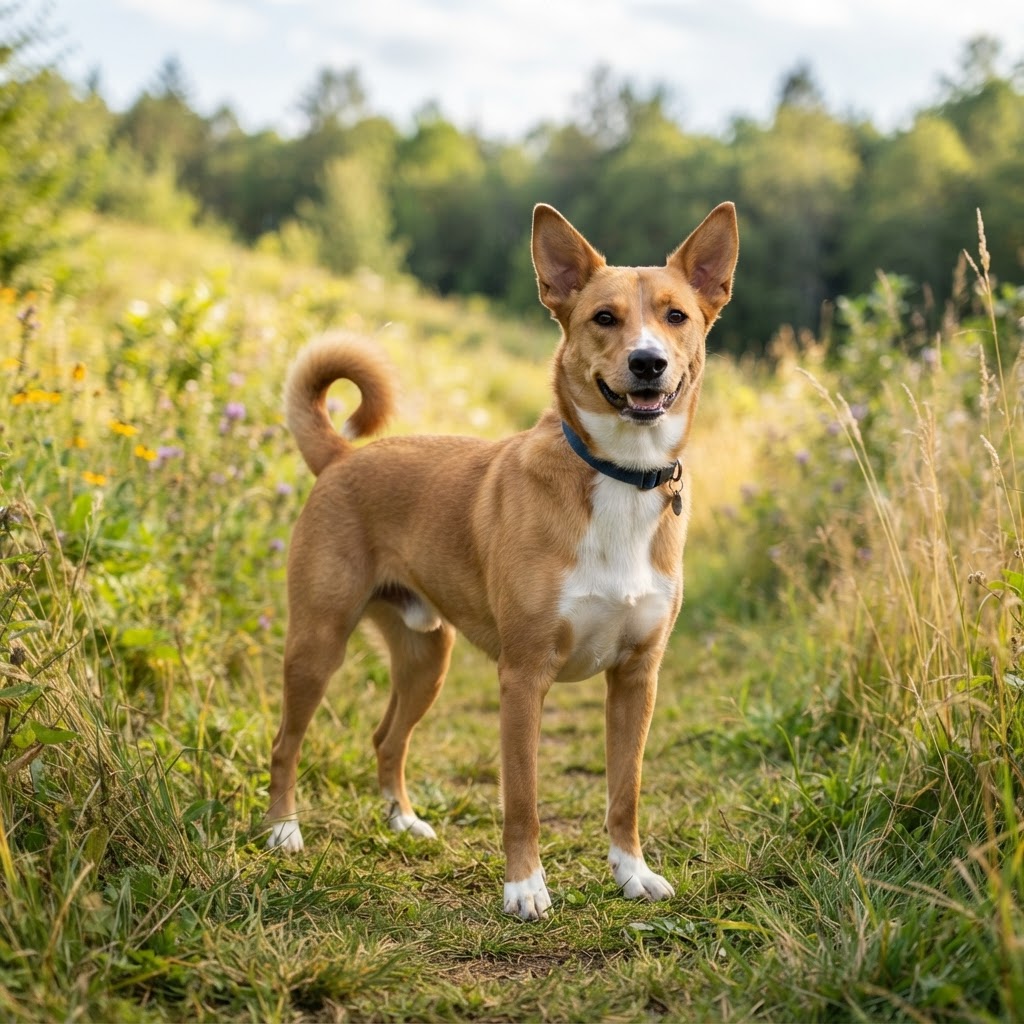
Hero image replaced with a breed-specific Unsplash image whose source page identifies the breed and states it is free to use under the Unsplash License. Gallery now includes the verified adult hero, a Japanese Akita Inu puppy group, and a source-verified brindle Akita Inu appearance example (CC BY 2.0).
Report a correction or concern for this guide.
American Kennel Club (AKC) — Akita Club of America parent-club designation
breed club
Fédération Cynologique Internationale (FCI) — Akita, Standard No. 255
kennel club
American Kennel Club (AKC) — Akita
kennel club
American Kennel Club — Working Group Health Testing Requirements
health
Sources are being verified. No citation is presented as confirmed until review is complete. Always consult qualified professionals for breed-specific and health advice.
Last reviewed: July 2026
Reviewed by: The Academy Editorial Team
This guide describes common breed traits, historical purpose and practical ownership considerations. Individual dogs vary according to genetics, health, early development, environment, training and life experience.
Report an issue with this guide