

Breed Centre
Choose a Breed Group
Start with the kind of work, structure and temperament the breed was developed for. Each group opens into its own collection of complete breed guides.
Breed tendencies can offer useful context, but every dog remains an individual.
Before You Explore
Finding the Right Dog Starts With Understanding Your Life
Breed groups and breed standards are valuable tools for understanding what is commonly expected from different types of dogs. They help set realistic expectations, but they are not guarantees of how any individual dog will behave or develop. Dogs are individuals. Genetics, responsible breeding, early development, health, environment, training, lifestyle, and personality all influence the dog you bring home. While many dogs enjoy the type of work and lifestyle they were developed for, many also adapt successfully to very different homes when their needs are understood and met. Use these guides to understand tendencies, not to predict certainty. The best way to know any dog is to learn the individual in front of you.
- Breed standards describe commonly expected characteristics.
- Breed tendencies are useful starting points, not guarantees.
- Every dog is an individual.
- Genetics, breeding lines, health, early development, environment, training, and lifestyle influence the dog in front of you.
- Many dogs adapt well to lifestyles different from the work they were originally bred to perform.
- A typically high-energy breed may produce a relaxed individual.
- A typically lower-energy breed may produce a highly active individual.
- People seeking very specific traits should research responsible breeders or rescue organizations carefully.
- The Academy helps people explore and compare. It never chooses a breed for them.
These results use commonly expected breed characteristics to help you begin your research. Individual dogs may differ significantly.
Breed Groups
Browse all breed groups
Choose a group to open its dedicated page — each one holds the complete breed guides that belong to that group, with group-specific education, filters and sort controls.

Herding Dogs
Developed to gather, move, control or protect livestock. Often observant, responsive and highly aware of movement.

Sporting Dogs
Developed to locate, flush, point or retrieve game. Often active, social and strongly motivated by scent, movement or carrying.

Working Dogs
Developed for practical jobs such as guarding, pulling, rescue and property protection. Often powerful, purposeful and physically capable.

Hounds
Developed to follow scent or pursue game by sight. Often independent, persistent and deeply influenced by their original hunting style.

Terriers
Developed to pursue vermin and work with determination in difficult environments. Often bold, persistent and highly driven.

Toy & Companion Dogs
Developed primarily for companionship, alerting or close household life. Small size does not automatically mean low energy or easy ownership.

Non-Sporting Dogs
A diverse collection of breeds with very different histories, structures and purposes.

Northern & Primitive Dogs
Breeds shaped by ancient landrace development, harsh climates, independence and specialised survival or working traits.
Guardian & Mastiff-Type Dogs
Large, powerful breeds developed to guard people, livestock or property. Often calm in appearance but serious in responsibility.
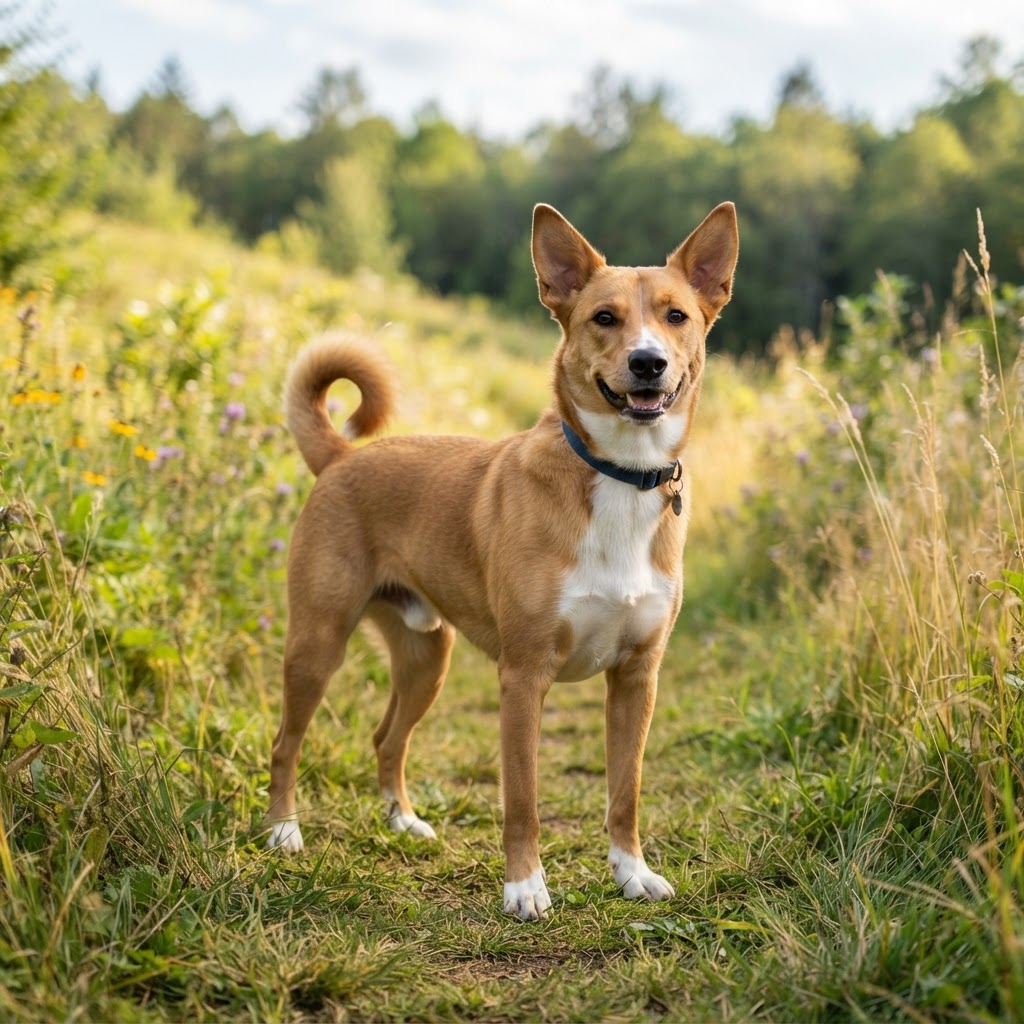
Mixed Breeds
Dogs with more than one breed background or uncertain ancestry. Individual behaviour, structure and history matter more than assumptions.
Academy Connections
Connect the Breed Centre to the rest of The Academy
Breed knowledge is one part of a bigger picture. These areas help you put what you learn about a breed into real-life context — training, care, confidence, and the everyday realities of life with a dog.
Continued Exploration
Where to go next
Go Deeper
Browse by Group
Explore all ten breed groups and their guides.
OpenPut It Into Practice
Training Foundations
Put breed knowledge into a training approach.
OpenRelated Subject
Encyclopedia
Definitions for training, behaviour and gear terms.
OpenBroader Academy Path
The Academy Library
The full educational library across every subject.
Open226 completed breed guides available in the Breed Centre.