
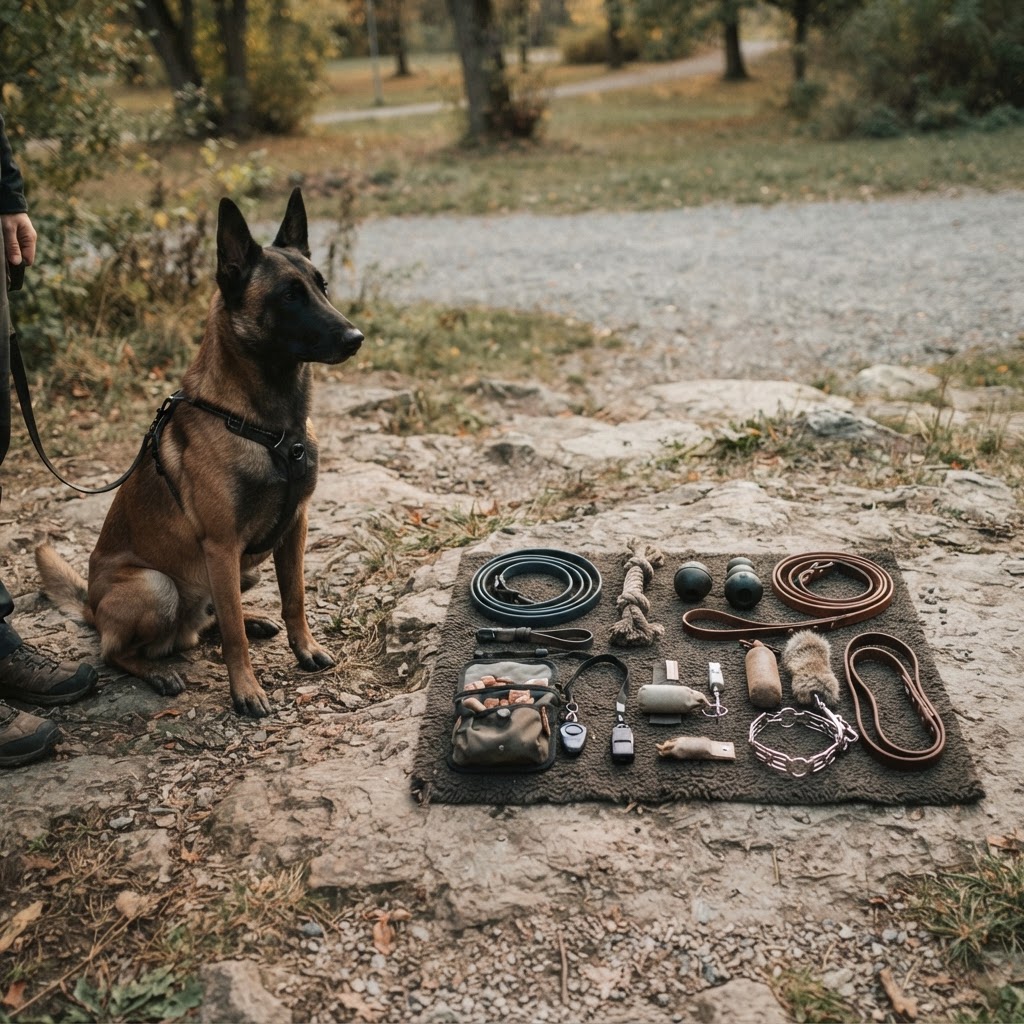
Collars
Martingale Collars
Also known as: Limited-slip collar, Greyhound collar, Humane choke
Originally developed for breeds with heads narrower than their necks, the martingale collar offers added security while remaining more limited in its action than a traditional slip collar. Today it is used by many owners for everyday walking, training and escape prevention when fitted and used correctly.
Want The Academy to remember what you've researched? Learn About Membership
At a Glance
- Best For
- Dogs prone to backing out of collars, sighthounds, everyday walks, added security
- Difficulty
- Beginner to Intermediate
- Daily Use
- Yes
- Puppy Friendly
- Sometimes
- Requires Training
- Minimal
- Risk if Misused
- Low to Moderate
What Is a Martingale Collar?
A martingale collar is made from two connected loops. The larger loop sits around the dog's neck while the smaller loop tightens slightly when leash pressure is applied. Unlike a traditional slip collar, a properly fitted martingale has a limited range of tightening. This helps reduce the chance of a dog backing out while avoiding unrestricted tightening.
Why People Use Martingale Collars
- Help prevent dogs from slipping out of their collar
- Provide gentle, even tightening when needed
- Offer additional security during walks
- Are popular for breeds with narrow heads
- Can provide clearer communication than a loose flat collar for some dogs
Best Uses
- Daily walks
- Dogs that back out of flat collars
- Sighthounds such as Greyhounds and Whippets
- Rescue dogs learning leash skills
- Travel
- Veterinary visits
- General everyday handling
When a Martingale May Not Be the Best Choice
- Dogs left tied unattended
- Crate use when unsupervised
- Rough off-leash play with other dogs
- Situations where equipment could become snagged
- Dogs that require a different management approach based on their individual needs
Advantages
- Helps reduce accidental escapes
- Comfortable for many dogs
- Limited tightening compared with unrestricted slip collars
- Available in many materials and styles
- Easy to fit correctly
- Suitable for everyday use for many dogs
Limitations
Martingale collars also have limitations. They do not teach loose leash walking on their own, are not a substitute for training, can still place pressure on the neck if a dog lunges repeatedly, and must be properly adjusted to function as intended. Equipment should always support—not replace—training.
Common Mistakes
- Wearing the collar too loose
- Adjusting it too tightly
- Leaving excessive slack
- Using it as a correction tool instead of a safety device
- Leaving it on during unsupervised crate time or rough play
Safety and Welfare Considerations
For safe use, adjust the collar so it tightens only to its designed limit. Check the fit regularly. Inspect stitching and hardware for wear. Remove it where snagging risks exist. Replace damaged collars promptly.
Choosing the Right Martingale: Width
Wider collars often distribute pressure more comfortably, especially for larger breeds.
Choosing the Right Martingale: Material
Common materials include nylon, leather, biothane, and waterproof coated webbing. Choose a material suited to your dog's activity level and environment.
Choosing the Right Martingale: Hardware
Look for strong welded rings, durable stitching, and smooth adjustment hardware. Quality construction improves both comfort and reliability.
Frequently Asked Questions
Academy Definitions
Limited-Slip Collar — A collar designed to tighten only to a predetermined limit. Sighthound — A breed developed primarily to hunt using vision and speed, often characterized by a narrow head and neck. Adjustment Loop — The smaller section of a martingale collar that controls how far the collar tightens.
Continue Learning
No collar can replace thoughtful training, good handling and an understanding of your individual dog. A martingale collar is simply one option among many. Learning when—and when not—to use different types of equipment helps build safer, more effective partnerships between dogs and their handlers.
Sources and Further Reading
This guide is educational and reflects established principles from canine equipment, welfare, and professional handling guidance. Individual dogs and situations vary. Where equipment choice relates to a medical, behavioural, or safety concern, consult an appropriately qualified professional or veterinarian.
Academy Connections
Understanding this gear can also help you understand...
Every gear guide connects to other departments across The Academy.