
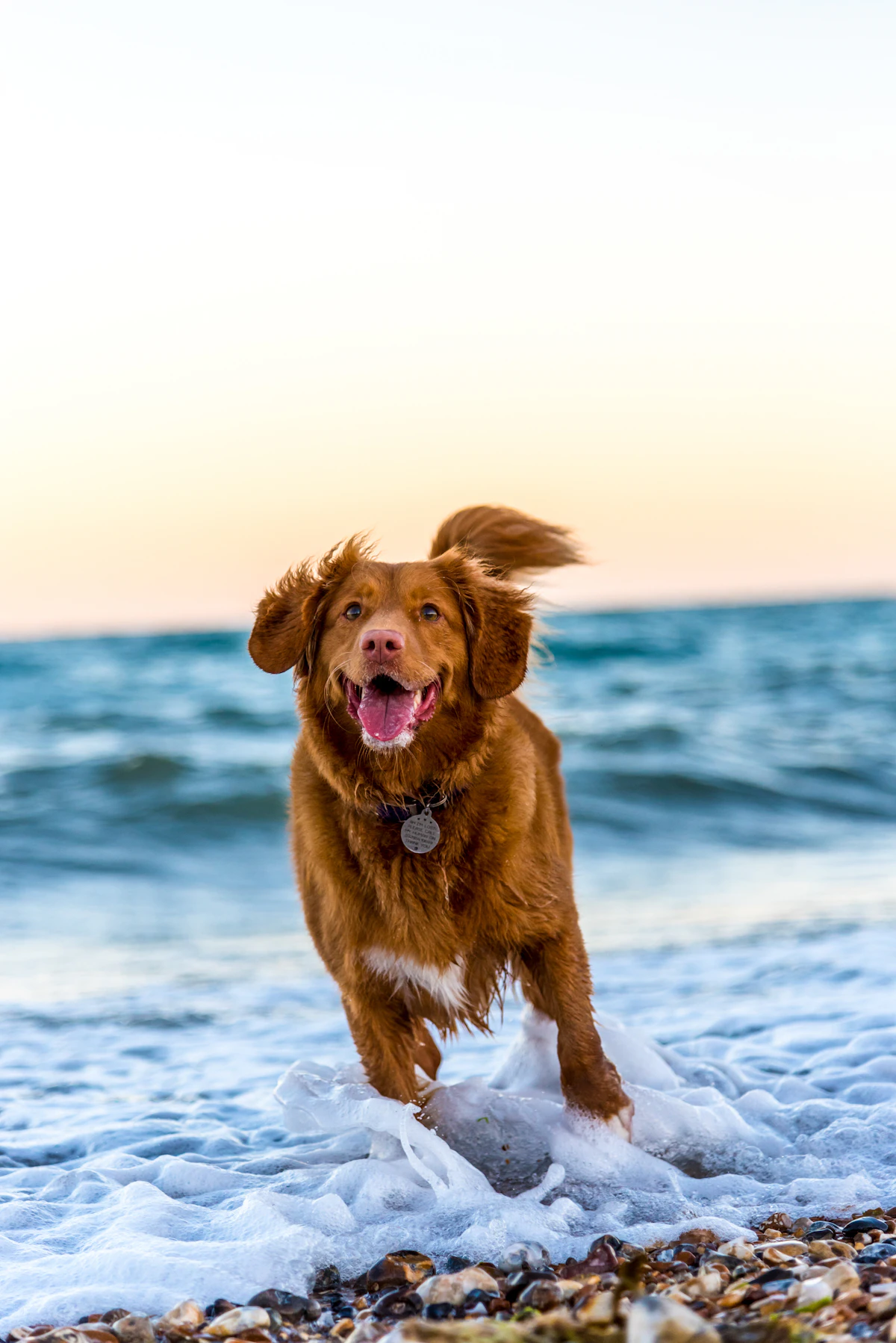
Detection & Environmental Survey
Conservation Dogs
Detection dogs that support wildlife research, environmental surveys, and biosecurity — working alongside scientific and field teams.
Also known as: Wildlife Detection Dogs, Scat Detection Dogs, Invasive-Species Dogs, Environmental Detection Dogs, Anti-Poaching Dogs
Conservation dogs use trained scent detection to support wildlife research, scat collection, invasive-species surveys, plant and seed detection, and biosecurity work. They are deployed by research teams, agencies, nonprofits, or contractors, and effective programs require both canine skill and scientific field competence.
Want The Academy to remember your working-dog research? Learn About Membership
At a Glance
- Primary purpose
- Use trained scent detection to support wildlife research, surveys, and biosecurity
- Typical tasks
- Wildlife and scat detection, invasive-species detection, plant and seed detection, environmental surveys, poaching-prevention support
- Common environments
- Land and marine terrain, field camps, boats, remote areas, reserves, and borders
- Handler type
- Trained handler working with research teams, agencies, nonprofits, or contractors
- Selection traits
- Strong scent motivation, focus, off-leash control where permitted, wildlife neutrality, environmental confidence
- Common breeds
- Labrador Retriever, Border Collie, German Shepherd Dog, Belgian Malinois, English Springer Spaniel, and many suitable mixes
- Main equipment
- Collar, detection harness, long line, reward toy, GPS, scent containers and hides, first-aid supplies, transport and hydration gear
- Retirement considerations
- Age, injury, stamina, terrain tolerance, and transition to companion life
Role Overview
Conservation dogs are detection dogs trained to locate biological targets that support wildlife research and environmental management — scat, live-animal sign, invasive species, plants, seeds, or other defined odours. They work with handlers who are also competent in scientific field methods, because the dog's finds only become useful data when collected, recorded, and interpreted correctly. Conservation work may be conducted by research teams, government agencies, nonprofits, or contractors, and it often requires both canine and scientific field competence.
A conservation dog's value depends on the science around it — the find is only useful when the data is collected and interpreted correctly.
Primary Tasks
Conservation dogs perform detection tasks shaped by the research or management goal.
Wildlife Detection
Locating sign of target species to support population or distribution studies.
Scat Detection
Finding scat for diet, hormone, genetics, and health analysis without disturbing animals.
Invasive-Species Detection
Locating invasive plants or animals before they spread.
Plant and Seed Detection
Finding target flora or seeds for surveys and restoration work.
Biosecurity
Screening gear, cargo, or sites for contamination or prohibited material.
Poaching-Prevention Support
In some programs, assisting patrols in locating snares, carcasses, or sign — under authorized teams.
Data Collection Support
Holding a stable indication so the handler can record location, sample, and context.
Typical Working Environments
Conservation work spans land and marine settings, often in remote or sensitive terrain.
Land and Reserves
Forests, grasslands, reserves, and remote backcountry across varied terrain.
Marine and Coast
Shorelines, boats, and intertidal zones for marine scat or carcass surveys.
Field Camps
Multi-day field deployments with camping, transport, and limited support.
Boats
Searching from boat platforms for floating or shoreline targets.
Remote Terrain
Off-trail, steep, hot, or rugged country that stresses dog and handler.
Sensitive Habitat
Areas where minimizing disturbance to wildlife and habitat is a core requirement.
Selection and Suitability
Selection focuses on scent motivation, focus, environmental confidence, and the ability to work calmly around wildlife and livestock without disturbance. A conservation dog must want to search hard, hold a trained indication, and remain under handler control — often off-leash where permitted and lawful. Wildlife neutrality matters: a dog that chases or harasses animals is unsuitable and can damage both research and welfare. Not every willing or social dog is suitable; the work requires a dog that can search for long periods, ignore non-target distraction, and remain steady around animals and habitat.
What Programs Look For
- Strong scent motivation and sustained focus
- Wildlife neutrality — no chasing, harassing, or disturbing animals
- Environmental confidence across terrain, water, weather, and boats
- Off-leash reliability and recall where permitted and lawful
- A clear, stable indication behaviour
- Calm, manageable temperament around livestock, public, and field teams
- Physical soundness and conditioning for remote, hot, or rugged terrain
Temperament and Behavioural Traits
- High scent drive with the persistence to search long, unproductive areas
- Wildlife-neutral — able to ignore or disengage from non-target animals
- Environmentally confident in water, boats, heat, and rough terrain
- Focused and biddable enough to hold an indication and respond to handler direction
- Socially manageable around field teams, livestock, and the public where contact occurs
- Calm enough to rest in field camps and tolerate transport
- Resilient and able to recover from difficult footing, weather, and long days
Physical Considerations
Conservation work can mean long days across hot, rugged, or wet terrain. Stamina, sound feet, healthy joints, and heat tolerance matter, and conditioning is maintained for the demands of the field. Coat and paw care, hydration, and rest planning are ongoing — a dog worked past its limits in heat or rough country is a welfare problem and a research liability. Body size is chosen for terrain and transport, and veterinary monitoring supports a sustainable career rather than a short, intense season.
Training Foundations
Foundations follow detection-dog principles adapted to field science.
Scent and Odour Discrimination
Teaching the dog to identify the target odour and ignore non-target scent.
Indication Behaviour
A clear, trained response the dog performs at source, suitable for field data collection.
Environmental Exposure
Confidence across water, boats, heat, rough terrain, and field-camp settings.
Recall and Off-Leash Control
Reliable recall and control where off-leash work is permitted and lawful.
Wildlife Neutrality
Teaching disengagement from non-target animals and livestock.
Handler Science and Field Skills
The handler learns data collection, contamination control, and safe field practice.
Advanced or Specialized Training
Advanced work builds field reliability and data quality.
Odor Discrimination in the Field
Holding the target odour amid competing environmental scent.
Contamination Control
Preventing cross-contamination of samples and scent through handling and gear.
Off-Leash Search Patterns
Structured search coverage where permitted, with handler observation and GPS support.
Boat and Marine Work
Searching from boats or shorelines for marine targets.
Data Collection Integration
Stable indications that let the handler record location, sample, and context accurately.
Maintenance and Calibration
Regular training to sustain reliability and prevent drift.
Reliable data depends on reliable training; drift and contamination are real risks in field detection.
Handler Role and Responsibilities
The conservation handler is both a dog handler and a field scientist or technician. They read the dog, manage search coverage, collect and record data, control contamination, and protect welfare in demanding terrain. The handler is responsible for permits and land access, wildlife and habitat disturbance, hydration and heat planning, transport, and honest reporting of blanks and uncertainty. Conservation work that ignores data quality or welfare is not sustainable practice.
Equipment Commonly Used
Conservation equipment supports detection, field safety, and welfare across land and marine environments.
Conservation Dog Equipment
Collar
Identification, handling, and general control; fit suited to the terrain.
Detection Harness
Comfortable harness that supports working posture and line attachment.
Long Line
Managed distance work where off-leash is not permitted.
Reward Toy
The primary reinforcement for the dog's trained indication.
GPS Equipment
Location and coverage tracking for remote field work.
Scent Containers and Hides
Training aids that support odour discrimination and calibration.
First-Aid Supplies
Field kit for immediate care in remote terrain.
Vehicle and Travel Gear
Safe transport to remote field sites.
Hydration Systems
Water planning for hot, remote field days.
Hiking and Adventure Gear
Field gear for rugged, off-trail terrain.
Welfare, Rest and Recovery
Field work is physically and mentally demanding; welfare is the foundation of reliable data and a sustainable career.
Heat and Terrain Planning
Adjusting intensity and duration for heat, terrain, and distance from support.
Hydration and Nutrition
Carrying and offering water matched to long, hot field days.
Paw and Coat Care
Inspecting feet after rough terrain; managing coat for heat and water work.
Rest and Field-Camp Recovery
Planned rest during and between long field days.
Wildlife and Habitat Disturbance
Limiting impact on animals and sensitive habitat is both an ethical and a data requirement.
Mental Recovery
Decompression and play after intense field deployments.
Common Challenges
- Holding odour discrimination amid complex, competing environmental scent
- Preventing contamination of samples and scent through handling and gear
- Managing wildlife and habitat disturbance during searches
- Sustaining motivation across long, unproductive search areas
- Heat, rugged terrain, and remote access stressing dog and handler
- Off-leash reliability and lawful access where permitted
- Integrating reliable dog work with rigorous data collection
Public Misconceptions
Myth
Conservation dogs are just tracking dogs for wildlife.
Fact
They are trained for specific target odours and stable indications that support data collection, not loose tracking.
Myth
Any dog that likes sniffing can do conservation work.
Fact
Reliable detection requires scent training, indication training, wildlife neutrality, and field conditioning.
Myth
The dog's find is the result.
Fact
The find only becomes useful when the handler collects, records, and interprets the data correctly.
Myth
Conservation dogs work off-leash everywhere.
Fact
Off-leash work depends on lawful access, permits, and reliable control — not default freedom.
Myth
Conservation work is low-impact and easy on the dog.
Fact
Long days in heat, rough terrain, and remote areas are physically and mentally demanding.
Who This Role Is Not For
- Dogs that chase, harass, or cannot disengage from wildlife or livestock
- Dogs without the scent motivation or focus for long, unproductive searches
- Dogs lacking environmental confidence in water, boats, heat, or rough terrain
- Handlers without the scientific field competence to collect and interpret data
- Situations expecting detection results without contamination control and documentation
- Anyone expecting the dog to replace rigorous survey and data methodology
Career Length, Retirement or Transition
Conservation careers are shaped by the physical demands of field work. Dogs may retire because of age, injury, reduced stamina, heat intolerance, or motivation changes. Retirement planning includes reducing field workload, keeping the dog with the handler where possible, ongoing veterinary care, and enrichment. Many retired conservation dogs transition well to companion life or lower-demand scent activity, and planning for that stage is part of responsible practice.
Academy Takeaway
Conservation dogs use trained detection to support wildlife research, surveys, and biosecurity — but their value depends on the science and field competence around them. Selection, scent training, wildlife neutrality, welfare, and handler data skills decide whether the work is reliable and ethical. Not every willing or social dog is suitable, and the dog never replaces rigorous survey methodology.
The dog detects. The handler collects the science. Both must be competent.
Professional, Legal or Medical Limitation
This profile is educational and reflects established principles from conservation-detection practice, wildlife research, and canine welfare. Survey permits, land access, wildlife laws, and biosecurity rules vary by country, province, and organization. This content does not constitute legal, scientific, or jurisdiction-specific guidance, and no success rates or universal standards are claimed. Individual dogs, sites, and studies vary; consult appropriately qualified professionals, agencies, and researchers for specific projects.
Professional working roles require specialized selection, training, assessment, and experienced supervision beyond general dog-training exercises. General Academy exercises do not qualify a dog for professional operational, service, or protection work.
Bottom Note
Reliable detection is only half the work. The other half is the science that makes the find meaningful.
Academy Connections
Understanding this role can also help you understand...
Every working-dog guide connects to other departments across The Academy.