
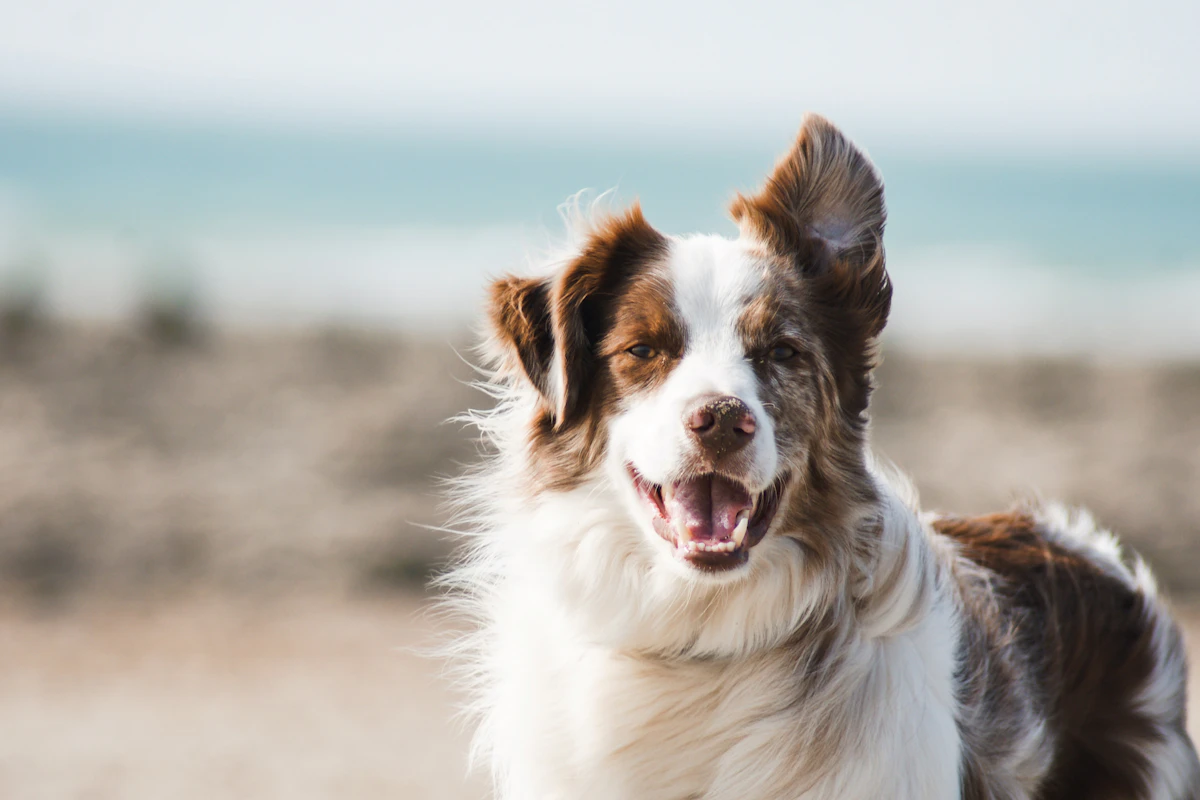
Specialized Scent-Detection Role
Detection Dogs
Using scent, focus, and teamwork to locate trained target odours across public safety, conservation, agriculture, medicine, research, and specialized search work.
Also known as: Scent Detection Dogs, Odour Detection Dogs, Detection K9s, Search Dogs, Scent Dogs, Single-Purpose Detection Dogs, Specialist Detection Dogs
Detection dogs use their sense of smell to locate a trained target odour and perform a clear trained response. Their work depends on careful selection, ethical training, environmental preparation, handler skill, accurate record keeping, regular maintenance, welfare, and role-specific standards. A strong sense of smell alone does not make a dog suitable for professional detection work.
Want The Academy to remember your working-dog research? Learn About Membership
At a Glance
- Primary purpose
- Locate specific target odours and communicate the location or presence of that odour to a trained handler
- Typical tasks
- Searching luggage, cargo, vehicles, buildings, land, people, equipment, or samples; locating explosives, controlled-substance, firearms, currency, accelerant, agricultural, conservation, medical, pest, or other authorized targets; ongoing maintenance training and proficiency testing
- Common environments
- Airports, border facilities, warehouses, vehicles, schools, public venues, hospitals or laboratories, farms, forests, ports, private homes, industrial spaces, outdoor search areas
- Handler type
- Specially trained handler working within a professional, agency, research, conservation, medical, agricultural, security, or private detection program
- Selection traits
- Strong hunt behaviour, persistence, motivation for an appropriate reward, environmental stability, ability to work independently while remaining responsive, physical soundness, clear recovery, appropriate sociability, methodical search, resilience in new environments
- Common breeds
- Labrador Retriever, English Springer Spaniel, Cocker Spaniel, German Shepherd Dog, Belgian Malinois, Beagle, and other suitable sporting, herding, hound, terrier, rescue, or mixed-breed dogs depending on the role
- Main equipment
- Working collar, search harness, leash or long line, reward toy or food, vehicle kennel, sample or training-aid storage, protective footwear, cooling or warming equipment, record-keeping tools, role-specific identification
- Retirement considerations
- Health, age, workload, environmental demands, sensory changes, motivation, handler placement, quality of life, and transition to a non-working routine
What Is a Detection Dog?
A detection dog is trained to locate one or more specific target odours and communicate the finding through a learned response. The target may be connected to law enforcement, public safety, medicine, agriculture, conservation, pest control, research, security, or another specialized field. Detection work is not simply a dog smelling something interesting. The dog must search under defined conditions, distinguish trained targets from background odours, continue working through environmental challenges, and provide a response that the handler can recognize and interpret. Detection programs differ widely. A dog working in an airport, forest, laboratory, hospital, school, home, or shipping facility may require different selection traits, search styles, equipment, standards, and handling.
Detection is a trained team process, not a breed label or a natural ability operating on its own.
How Detection Work Functions
Dogs experience the world through scent in ways people cannot fully replicate. Professional detection work builds on this natural ability through structured learning, controlled target presentation, clear reinforcement, environmental exposure, and ongoing assessment.
Target Odour
The specific odour or odour group the dog is trained to locate.
Search Behaviour
The dog learns to investigate an area, object, person, sample, vehicle, or environment in a purposeful way.
Odour Recognition
The dog learns that the trained target has a specific meaning within the work.
Trained Response
The dog performs a clear behaviour after locating the target or strongest accessible source.
Handler Observation
The handler watches the dog's movement, breathing, body language, search pattern, and final response.
Reward
A toy, food, play, praise, or another suitable reinforcer strengthens the work.
Generalization
The dog learns to identify the target across different environments, containers, concentrations, weather conditions, and distractions where appropriate.
Discrimination
The dog learns to distinguish the trained target from non-target odours and background scent.
Do not publish step-by-step instructions for concealing prohibited items, defeating detection programs, contaminating searches, masking odour, or exploiting operational limitations.
Types of Detection Dogs
Categories vary by jurisdiction, program, science, policy, and intended use. The cards below describe common specializations without implying that all programs use the same standards.
Explosives Detection
Dogs trained to locate odours associated with explosives-related materials in public-safety, military, transportation, security, or law-enforcement contexts.
Controlled-Substance Detection
Dogs trained within authorized programs to locate specific controlled-substance odours. Laws, target lists, certification, and use vary by jurisdiction.
Firearms and Ammunition Detection
Dogs trained to locate odours connected to firearms, ammunition, or related materials where legally authorized.
Currency Detection
Dogs trained to locate designated currency odour profiles in specific law-enforcement or border contexts.
Accelerant Detection
Dogs trained to assist qualified investigators by locating possible ignitable-liquid residues after fires.
Agricultural Detection
Dogs trained to locate prohibited food, plant, animal, pest, or agricultural material.
Conservation Detection
Dogs trained to locate wildlife, scat, invasive species, plants, nests, carcasses, disease indicators, or environmental targets.
Medical Detection
Dogs trained in research, clinical, or operational programs involving biological samples, medical changes, or health-related odours. Claims must remain evidence-based and role-specific.
Pest Detection
Dogs trained to locate bed bugs, termites, rodents, mould-related odours, or other designated targets.
Human Remains Detection
Specialized dogs trained to locate human decomposition odour within qualified search, forensic, or investigative programs.
Electronics Detection
Dogs trained to locate certain electronic-storage devices or components in authorized investigative settings.
Biosecurity and Disease Detection
Dogs trained within agricultural, scientific, veterinary, public-health, or border programs to locate defined biological or disease-related targets.
Other Specialized Roles
Programs may develop dogs for research, industrial, environmental, archaeological, wildlife, food-safety, or emerging scent-detection applications.
Detection categories are not ranked and do not imply that all programs use the same standards.
How Are Detection Dogs Selected?
Selection focuses on whether the individual dog's motivation, search behaviour, health, environmental ability, resilience, and learning style match the intended work. Breed can influence tendencies, but it cannot guarantee suitability.
Hunt Behaviour
A willingness to search persistently for a hidden reward, target, or source.
Motivation
Strong interest in food, toys, play, praise, or another practical reinforcer.
Persistence
The ability to continue searching when the target is not immediately available.
Environmental Stability
Comfort and recovery around unfamiliar surfaces, people, buildings, vehicles, noise, movement, and confined spaces.
Independence
The confidence to search away from the handler when the role requires it.
Handler Responsiveness
The ability to remain connected to direction without becoming overly dependent on handler cues.
Physical Soundness
Health, stamina, mobility, structure, breathing, and body condition appropriate to the role.
Sociability
The level of comfort required around the public, other animals, staff, transport, and working environments.
Recovery
The ability to return to effective work after surprise, frustration, environmental pressure, or an unsuccessful search.
Search Style
How the dog naturally investigates, moves, samples odour, and uses space.
Role Match
A dog suitable for open-field conservation work may not suit airport screening, and a dog ideal for luggage searches may not suit wilderness searches.
A powerful nose is universal to dogs. Professional suitability is not.
Common Breeds
Many breeds and mixes can perform detection work. Programs select for individual ability, role match, availability, health, handler needs, public context, search area, and reward system.
Breeds Commonly Used
Labrador Retriever
Common in detection work because of sociability, food or toy motivation, stamina, search willingness, trainability, and ability to work around the public.
English Springer Spaniel
Often valued for compact size, energetic search style, persistence, agility, and suitability for luggage, vehicle, building, and confined-area searches.
Cocker Spaniel
Used in some detection programs for size, mobility, hunt behaviour, persistence, and ability to work in small or busy environments.
German Shepherd Dog
Used in some detection roles where versatility, physical ability, handler partnership, and broader operational demands are required.
Belgian Malinois
Used in some detection programs for intensity, athleticism, environmental ability, speed, and strong reward motivation.
Beagle
Common in some agricultural and border programs because of scenting ability, compact size, sociability, food motivation, and public-friendly appearance.
Terriers
Some terrier types may suit pest, conservation, or specialized detection work because of persistence, compact size, and hunt behaviour.
Mixed-Breed and Rescue Dogs
Individual dogs from shelters, rescues, working-dog programs, or mixed backgrounds may succeed when properly evaluated and matched.
No breed has the best nose or is universally superior. Suitability always depends on the individual dog and the role.
Training and Development
Detection training develops motivation, search behaviour, target recognition, communication, environmental confidence, stamina, accuracy, and handler skill. Programs must also manage training-aid security, contamination, record keeping, legal requirements, and welfare.
Reward Development
Building a strong, appropriate reward system that the dog values.
Search Foundations
Teaching the dog to investigate areas, objects, containers, vehicles, land, or samples in a systematic and confident way.
Target Association
Teaching the dog that the trained target predicts reinforcement.
Response Development
Building a clear, observable, and reliable trained response.
Environmental Exposure
Preparing the dog to work around noise, movement, people, flooring, weather, transport, machinery, confined spaces, and distractions.
Odour Generalization
Helping the dog recognize the target across realistic variations where program standards permit.
Odour Discrimination
Teaching the dog to avoid responding to non-target odours or unrelated distractions.
Blank Searches
Teaching the team to complete searches where no target is present without creating pressure to produce a response.
Handler Education
Teaching search planning, observation, reward timing, record keeping, contamination control, welfare, legal requirements, and objective decision making.
Proofing and Maintenance
Practising across appropriate target placements, environments, durations, distractions, and operational conditions.
Assessment
Using qualified evaluation, blind or double-blind testing where appropriate, documentation, and role-specific proficiency standards.
A reliable detection program trains the handler as seriously as the dog.
How Detection Dogs Communicate a Find
A trained response is the behaviour the dog performs after locating the target odour or strongest accessible source. The response must be clear enough for the handler to recognize and suitable for the environment and target.
Passive Response
The dog may sit, stand, stare, freeze, lie down, or maintain focused attention near the target.
Active Response
The dog may scratch, paw, bark, or show another trained active behaviour where the program considers it appropriate.
Natural Change of Behaviour
Handlers may also observe changes in breathing, speed, head movement, body tension, tail carriage, or search intensity before the final trained response.
Source Versus Accessible Source
Odour can travel. The strongest accessible point may not be the exact physical location of the target.
Independent Response
The dog should identify the target based on odour rather than being directed into a response by the handler.
Response Suitability
The response should match the target, environment, legal context, safety needs, and risk of damaging property or evidence.
Handler-Cue Risk
Handlers must avoid unintentionally influencing the dog through posture, leash tension, expectations, repeated searching, or reward timing.
This guide does not teach readers how to test, manipulate, evade, or intentionally confuse operational detection dogs.
Where Detection Dogs Work
Detection dogs may work in highly controlled environments, unpredictable public spaces, outdoor terrain, private property, vehicles, laboratories, hospitals, industrial settings, or remote areas.
Transportation Hubs
Airports, ports, border crossings, rail terminals, and shipping facilities.
Vehicles and Cargo
Cars, trucks, buses, aircraft, boats, containers, pallets, luggage, and freight.
Buildings
Schools, offices, warehouses, homes, hospitals, venues, and industrial properties.
Public Spaces
Crowds, events, entrances, transit areas, sidewalks, and shared facilities.
Outdoor Terrain
Fields, forests, shorelines, farms, conservation zones, trails, and remote search areas.
Laboratories and Samples
Controlled scent-lineups, biological samples, research settings, and medical environments.
Agricultural Settings
Farms, greenhouses, processing facilities, storage sites, and border-inspection areas.
Confined Spaces
Small rooms, luggage areas, vehicle interiors, storage compartments, and narrow pathways.
Changing Weather
Heat, cold, rain, snow, wind, humidity, and airflow changes can affect work and welfare.
High-Distraction Areas
Food, animals, people, machinery, noise, unusual surfaces, and competing odours.
This guide does not describe operational vulnerabilities or ways to exploit environmental conditions.
The Handler Partnership
Detection work is performed by a team. The handler must understand the dog's normal search behaviour, recognize meaningful changes, avoid influencing the outcome, protect welfare, manage reinforcement, and document performance accurately.
Observation
Recognizing changes in breathing, movement, focus, pace, posture, persistence, and final response.
Neutral Handling
Avoiding body language, leash pressure, repeated direction, or expectation that could cue the dog.
Reward Timing
Reinforcing the correct behaviour clearly and consistently.
Search Planning
Understanding the assigned area, safety concerns, environmental conditions, and program limits.
Communication
Using cues and movement that support the search without overriding the dog's scent work.
Objectivity
Accepting blank searches, uncertain results, errors, and the need for additional assessment.
Record Keeping
Documenting training, target types, environments, results, errors, maintenance, health, and changes over time.
Welfare Responsibility
Recognizing fatigue, heat stress, frustration, pain, reduced motivation, or environmental overload.
Continuing Education
Maintaining knowledge of scent theory, behaviour, training, law, ethics, safety, equipment, and role-specific standards.
Trust
Allowing the trained dog to work while maintaining appropriate control and oversight.
Accuracy, Records, and Maintenance
Detection reliability depends on more than successful finds. Programs must consider misses, false responses, blank searches, environmental factors, handler influence, target quality, training design, record keeping, and ongoing proficiency.
True Positive
The dog responds where the trained target is present.
True Negative
The dog correctly completes a search where the trained target is absent.
False Positive
The dog responds where the target is not present or cannot be confirmed.
Miss
The trained target is present but the team does not identify it.
Blank Search
A search in which no target is present. Blank work helps prevent the expectation that every search must produce a find.
Blind Testing
The handler does not know the target location.
Double-Blind Testing
Neither the handler nor the immediate evaluator interacting with the team knows the target location.
Training Records
Document target, location, environment, duration, response, reward, errors, weather, distractions, and relevant observations.
Maintenance Training
Regular practice used to sustain skills, identify weaknesses, and prepare for realistic conditions.
Target Integrity
Training aids must be stored, handled, documented, and protected according to program requirements.
Contamination Control
Programs must reduce unintended target odour transfer and misleading scent information.
No single test, certification, or successful search guarantees universal reliability. This guide does not publish program-sensitive target-handling procedures or storage details.
Specialized Equipment
Equipment varies by role, program, target, environment, weather, handler, and policy. Purpose matters more than appearance — each item serves a specific function in supporting search, reward, safety, transport, or record keeping.
Common Equipment
Working Collar
Used for identification, handling, and general control. Fit and construction must suit the dog and role.
Search Harness
May signal working context and allow freer search movement depending on the role.
Leash and Long Line
Used for controlled searches, tracking-style work, safety, and environmental management.
Reward Toy
Balls, tugs, or other toys may maintain motivation and reinforce correct work.
Food Reward System
Food may be used where practical, effective, and appropriate for the individual dog.
Vehicle Kennel
Provides secure transport, rest, ventilation, temperature management, and containment.
Training Aids
Program-controlled materials used to develop and maintain target recognition. Public content does not describe sensitive handling details.
Protective Footwear
May help protect feet from heat, cold, chemicals, sharp surfaces, or damaged ground.
Cooling and Warming Equipment
May include water systems, fans, shade, cooling tools, coats, blankets, or climate-controlled transport.
Identification
Role-specific markings may be used, but identification does not replace handler direction or site rules.
Record-Keeping Tools
Digital or paper systems may document training, assessments, health, targets, and maintenance work.
Welfare and Veterinary Care
Detection work should be built around sustainable performance. Search motivation does not remove the dog's need for rest, recovery, health care, comfort, enrichment, and a balanced life.
Preventive Veterinary Care
Routine examinations, dental care, parasite prevention, vaccinations where appropriate, and health monitoring.
Body Condition
Maintaining a healthy weight and muscle condition that support stamina and mobility.
Orthopedic Health
Monitoring joints, spine, feet, gait, soreness, repetitive strain, and changes in movement.
Heat and Cold Safety
Adjusting search duration, transport, hydration, rest, and protective equipment.
Respiratory Health
Watching breathing, airway function, environmental irritants, smoke, dust, heat, and exertion.
Nutrition and Hydration
Supporting energy, digestion, recovery, reward use, and individual medical needs.
Mental Recovery
Providing downtime, sleep, decompression, play, and enrichment outside formal work.
Frustration Management
Avoiding repeated impossible searches, unclear reinforcement, excessive duration, and pressure to respond.
Workload Management
Considering travel, frequency, search intensity, environmental exposure, age, health, and cumulative fatigue.
Quality of Life
A dog's value must never be reduced to productivity or successful alerts.
Motivation can hide fatigue. Handlers must assess the whole dog, not only willingness to continue.
Retirement
Detection dogs may retire because of age, injury, chronic health changes, reduced stamina, sensory changes, motivation changes, program needs, handler transition, or quality-of-life concerns.
Planning for Retirement
When Retirement May Be Considered
- Age-related changes
- Injury or chronic pain
- Reduced stamina
- Sensory or cognitive changes
- Reduced motivation
- Increased recovery time
- Environmental stress
- Program closure or reassignment
- Handler retirement or transfer
- Quality-of-life concerns
Placement
Many retired detection dogs remain with their handlers. Others may transition to a carefully assessed home, organization, or adopter.
Adjustment
Dogs may need support adapting to less structured work, different reward schedules, quieter routines, or a new household.
Veterinary Care
Retirement may include rehabilitation, medication, mobility support, nutritional changes, and increased monitoring.
Ongoing Enrichment
Scent games, appropriate searches, walks, play, training, and problem solving may support wellbeing without recreating operational pressure.
Retirement protects the dog's future and honours the work already completed.
Common Misconceptions
Myth
Detection dogs can smell everything.
Fact
They are trained for specific target odours within defined programs and conditions.
Myth
A strong nose guarantees success.
Fact
Professional work also requires motivation, persistence, environmental stability, health, training, handler skill, and maintenance.
Myth
Every search should produce a find.
Fact
Many legitimate searches are blank. Pressure to produce a response can reduce reliability.
Myth
The handler always knows where the target is.
Fact
Blind and double-blind testing can reduce cueing and improve assessment.
Myth
One certification proves permanent reliability.
Fact
Performance changes with health, training, environment, target quality, handler influence, and maintenance.
Myth
Detection dogs are always police dogs.
Fact
Detection dogs work in conservation, agriculture, medicine, research, pest control, security, public health, and many other fields.
Myth
The dog points directly to the exact object every time.
Fact
Odour movement, airflow, barriers, contamination, and accessibility can affect where the dog shows the strongest response.
Myth
Any alert automatically proves that a target is present.
Fact
A trained response is one piece of information and must be interpreted within the applicable legal, scientific, operational, or professional process.
Legal, Ethical, and Program Notes
Detection programs operate under different laws, policies, scientific standards, professional practices, and evidentiary rules. The meaning and legal effect of a detection-dog response vary by jurisdiction and context.
What This Guide Does Not Do
- Give legal advice
- Present one jurisdiction's laws as universal
- Imply that a dog's response automatically proves guilt, contamination, disease, infestation, or the presence of a prohibited item
- Overstate medical-detection claims
- Publish target-concealment, masking, evasion, contamination, or counter-detection methods
- Publish sensitive training-aid handling or security procedures
Detection Dog — Definition
Detection Dog — Definition
A dog trained to locate a specific target odour and communicate the finding through a learned response. Readers with legal, medical, or program questions should consult qualified professionals, official agencies, current law, veterinary experts, or scientific sources where appropriate.
Sources and Further Reading
This guide is educational and reflects established principles from detection-dog programs, veterinary behaviour, scent science, welfare, and professional training. Detection-dog procedures, certification standards, and legal frameworks vary by country, province, and agency. This content does not constitute operational, legal, or program-specific guidance. Individual dogs and situations vary; consult appropriately qualified professionals for specific cases. No accuracy percentages, success rates, false-positive rates, certification requirements, legal standards, medical capabilities, disease-detection claims, program costs, training durations, breed rankings, or universal target lists are claimed.
Professional working roles require specialized selection, training, assessment, and experienced supervision beyond general dog-training exercises. General Academy exercises do not qualify a dog for professional operational, service, or protection work.
Bottom Note
Training Never Stops. Detection work is built through motivation, precision, environmental experience, and trust between dog and handler. Reliability comes from continual practice — not from scent ability alone.
Academy Connections
Understanding this role can also help you understand...
Every working-dog guide connects to other departments across The Academy.