
Compare Breeds
Compare dog breeds side by side
Select 2 or 3 breeds and compare them across purpose, size, daily life, household fit, training, health and reality. This tool uses the same verified information from each breed guide — it does not assign scores, rank breeds, or declare a winner. The better fit depends on the individual dog, the owner's experience, household, environment, goals and available time.
Preset comparisons
Overview
Original purpose
Varies by individual
Herding sheep; later developed for service, protection, and military work
Country / region of origin
Worldwide
Germany
Academy group
Individual Assessment
Herding & Working
Life expectancy
Varies — typically 10–15 years depending on size and health
9–13 years
Physical
Height range
Varies widely
55–65 cm (22–26 in)
Weight range
Varies widely
22–40 kg (50–88 lb)
Coat type
Varies — short, medium, long, curly, or wire
Double coat (short, medium, or long)
Recognized colours
All colours and patterns possible
Black and tan, black and red, sable, solid black, bi-colour
Shedding
Varies by coat type
Heavy (seasonal)
Grooming commitment
Varies by coat type
Moderate maintenance
Daily life
Exercise commitment
Varies by individual
High
Mental-work commitment
Varies by individual
Very high
Training commitment
Varies by individual
High
Vocal tendency
Vocal tendencies vary by individual. Observe the dog's barking triggers and adjust management accordingly. Close-neighbour housing is a consideration for vocal individual…
GSDs can be vocal — barking at changes, visitors, or perceived threats is common, and some individuals whine or vocalize when excited or frustrated. Vocal tendencies may…
Prey-drive tendency
Prey drive and movement sensitivity vary by individual and by ancestry. Observe the dog's response to small animals, bicycles, running children, and wildlife. Some mixed-…
Many GSDs have moderate to high prey drive and noticeable movement sensitivity — noticing and wanting to control or chase movement. This can manifest as chasing vehicles,…
Protective tendency
Variable
Watchfulness and protective tendencies are part of the breed. A well-socialized GSD observes, alerts, and defers to the handler; an under-socialized or poorly managed one…
Household
Housing & experience
Variable
Experienced handling helpful; suburban or rural with space recommended
Children considerations
Compatibility with children and other pets depends on the individual dog's history, socialization, and temperament. Foster-based assessments provide valuable information…
GSDs can live well with children when raised with them and managed appropriately. Their size, physicality, and guardian instincts require supervision, especially around y…
Other-dog considerations
Variable
GSDs can live well with other dogs and animals when socialized and managed. Some individuals are dog-selective or same-sex intolerant, particularly as they mature. Small…
Other-pet considerations
Compatibility with children and other pets depends on the individual dog's history, socialization, and temperament. Foster-based assessments provide valuable information…
GSDs can live well with other dogs and animals when socialized and managed. Some individuals are dog-selective or same-sex intolerant, particularly as they mature. Small…
Training
Training style considerations
Training should be tailored to the individual dog. Key considerations include assessing the dog's motivation (food, play, or social), training history, sensitivity, and b…
GSDs are highly trainable and generally enjoy working with their handler. Key training themes include neutrality, environmental confidence, arousal management, handling a…
Recall considerations
Variable
Variable
Health & care
Major health considerations
Mixed-breed dogs may have genetic diversity that can reduce the risk of certain inherited conditions, but they are not exempt from health concerns. Individual health depe…
Commonly discussed health concerns include hip and elbow dysplasia, degenerative myelopathy, bloat (gastric dilatation-volvulus), gastrointestinal sensitivities, and cert…
Expected financial considerations
Cost categories vary by individual size, coat, and health. They include food, regular veterinary care, insurance, training, grooming (if needed), equipment, and boarding.…
Cost categories include quality food, regular veterinary care, insurance, training, grooming tools, equipment (secure fencing, long lines, crates), and boarding. Health m…
Fit & reality
What people often love
Individuality and unique appearance; Variety in size, coat, and personality; Rescue and adoption availability; Potential for genetic diversity in some individuals
Versatility across companion, sport, service, and working roles; Deep loyalty and bond with family; High trainability and willingness to work; Intelligence and problem-solving ability
What can be difficult
Uncertain adult size for puppies; Unpredictable coat type and grooming needs; Unknown history, early development, or health background; Inaccurate breed labels, particularly in shelter settings
Over-alertness and environmental sensitivity that can become reactivity; Heavy shedding, especially seasonally; Guardian tendencies requiring socialization and management; Challenging adolescence with significant energy
Who this breed may suit
Mixed-breed dogs may suit people open to individual assessment and some uncertainty. Homes willing to evaluate the dog in front of them, rather than relying on breed assu…
GSDs may suit active homes, people who enjoy training and engagement, working or sport homes, and well-supported newer owners willing to research breeders carefully. Fami…
Who should think carefully
Mixed-breed dogs — particularly puppies — may not suit households requiring highly predictable size, coat, or working traits. Those who need certainty about adult charact…
GSDs may not suit homes wanting an automatically easygoing dog, people unable to manage significant shedding, or buyers unwilling to research breeders. The breed's health…
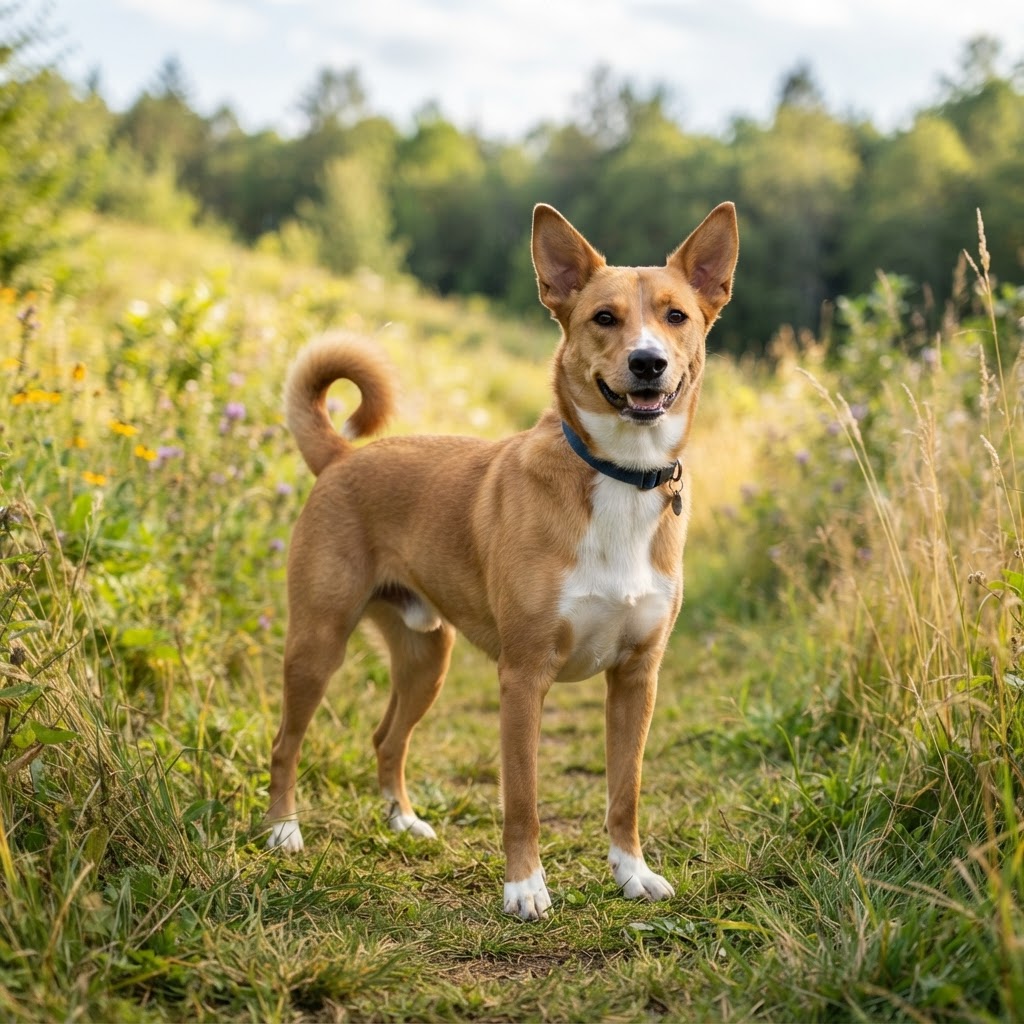
Mixed-Breed Dogs
Individual Assessment
Overview
Original purpose
Varies by individual
Country / region of origin
Worldwide
Academy group
Individual Assessment
Life expectancy
Varies — typically 10–15 years depending on size and health
Physical
Height range
Varies widely
Weight range
Varies widely
Coat type
Varies — short, medium, long, curly, or wire
Recognized colours
All colours and patterns possible
Shedding
Varies by coat type
Grooming commitment
Varies by coat type
Daily life
Exercise commitment
Varies by individual
Mental-work commitment
Varies by individual
Training commitment
Varies by individual
Vocal tendency
Vocal tendencies vary by individual. Observe the dog's barking triggers and adjust management accordingly. Close-neighbour housing is a consideration for vocal individual…
Prey-drive tendency
Prey drive and movement sensitivity vary by individual and by ancestry. Observe the dog's response to small animals, bicycles, running children, and wildlife. Some mixed-…
Protective tendency
Variable
Household
Housing & experience
Variable
Children considerations
Compatibility with children and other pets depends on the individual dog's history, socialization, and temperament. Foster-based assessments provide valuable information…
Other-dog considerations
Variable
Other-pet considerations
Compatibility with children and other pets depends on the individual dog's history, socialization, and temperament. Foster-based assessments provide valuable information…
Training
Training style considerations
Training should be tailored to the individual dog. Key considerations include assessing the dog's motivation (food, play, or social), training history, sensitivity, and b…
Recall considerations
Variable
Health & care
Major health considerations
Mixed-breed dogs may have genetic diversity that can reduce the risk of certain inherited conditions, but they are not exempt from health concerns. Individual health depe…
Expected financial considerations
Cost categories vary by individual size, coat, and health. They include food, regular veterinary care, insurance, training, grooming (if needed), equipment, and boarding.…
Fit & reality
What people often love
Individuality and unique appearance; Variety in size, coat, and personality; Rescue and adoption availability; Potential for genetic diversity in some individuals
What can be difficult
Uncertain adult size for puppies; Unpredictable coat type and grooming needs; Unknown history, early development, or health background; Inaccurate breed labels, particularly in shelter settings
Who this breed may suit
Mixed-breed dogs may suit people open to individual assessment and some uncertainty. Homes willing to evaluate the dog in front of them, rather than relying on breed assu…
Who should think carefully
Mixed-breed dogs — particularly puppies — may not suit households requiring highly predictable size, coat, or working traits. Those who need certainty about adult charact…

German Shepherd Dog
Herding & Working
Overview
Original purpose
Herding sheep; later developed for service, protection, and military work
Country / region of origin
Germany
Academy group
Herding & Working
Life expectancy
9–13 years
Physical
Height range
55–65 cm (22–26 in)
Weight range
22–40 kg (50–88 lb)
Coat type
Double coat (short, medium, or long)
Recognized colours
Black and tan, black and red, sable, solid black, bi-colour
Shedding
Heavy (seasonal)
Grooming commitment
Moderate maintenance
Daily life
Exercise commitment
High
Mental-work commitment
Very high
Training commitment
High
Vocal tendency
GSDs can be vocal — barking at changes, visitors, or perceived threats is common, and some individuals whine or vocalize when excited or frustrated. Vocal tendencies may…
Prey-drive tendency
Many GSDs have moderate to high prey drive and noticeable movement sensitivity — noticing and wanting to control or chase movement. This can manifest as chasing vehicles,…
Protective tendency
Watchfulness and protective tendencies are part of the breed. A well-socialized GSD observes, alerts, and defers to the handler; an under-socialized or poorly managed one…
Household
Housing & experience
Experienced handling helpful; suburban or rural with space recommended
Children considerations
GSDs can live well with children when raised with them and managed appropriately. Their size, physicality, and guardian instincts require supervision, especially around y…
Other-dog considerations
GSDs can live well with other dogs and animals when socialized and managed. Some individuals are dog-selective or same-sex intolerant, particularly as they mature. Small…
Other-pet considerations
GSDs can live well with other dogs and animals when socialized and managed. Some individuals are dog-selective or same-sex intolerant, particularly as they mature. Small…
Training
Training style considerations
GSDs are highly trainable and generally enjoy working with their handler. Key training themes include neutrality, environmental confidence, arousal management, handling a…
Recall considerations
Variable
Health & care
Major health considerations
Commonly discussed health concerns include hip and elbow dysplasia, degenerative myelopathy, bloat (gastric dilatation-volvulus), gastrointestinal sensitivities, and cert…
Expected financial considerations
Cost categories include quality food, regular veterinary care, insurance, training, grooming tools, equipment (secure fencing, long lines, crates), and boarding. Health m…
Fit & reality
What people often love
Versatility across companion, sport, service, and working roles; Deep loyalty and bond with family; High trainability and willingness to work; Intelligence and problem-solving ability
What can be difficult
Over-alertness and environmental sensitivity that can become reactivity; Heavy shedding, especially seasonally; Guardian tendencies requiring socialization and management; Challenging adolescence with significant energy
Who this breed may suit
GSDs may suit active homes, people who enjoy training and engagement, working or sport homes, and well-supported newer owners willing to research breeders carefully. Fami…
Who should think carefully
GSDs may not suit homes wanting an automatically easygoing dog, people unable to manage significant shedding, or buyers unwilling to research breeders. The breed's health…
This comparison explains differences. The better fit depends on the individual dog, the owner's experience, household, environment, goals and available time. No breed is ranked or scored.