
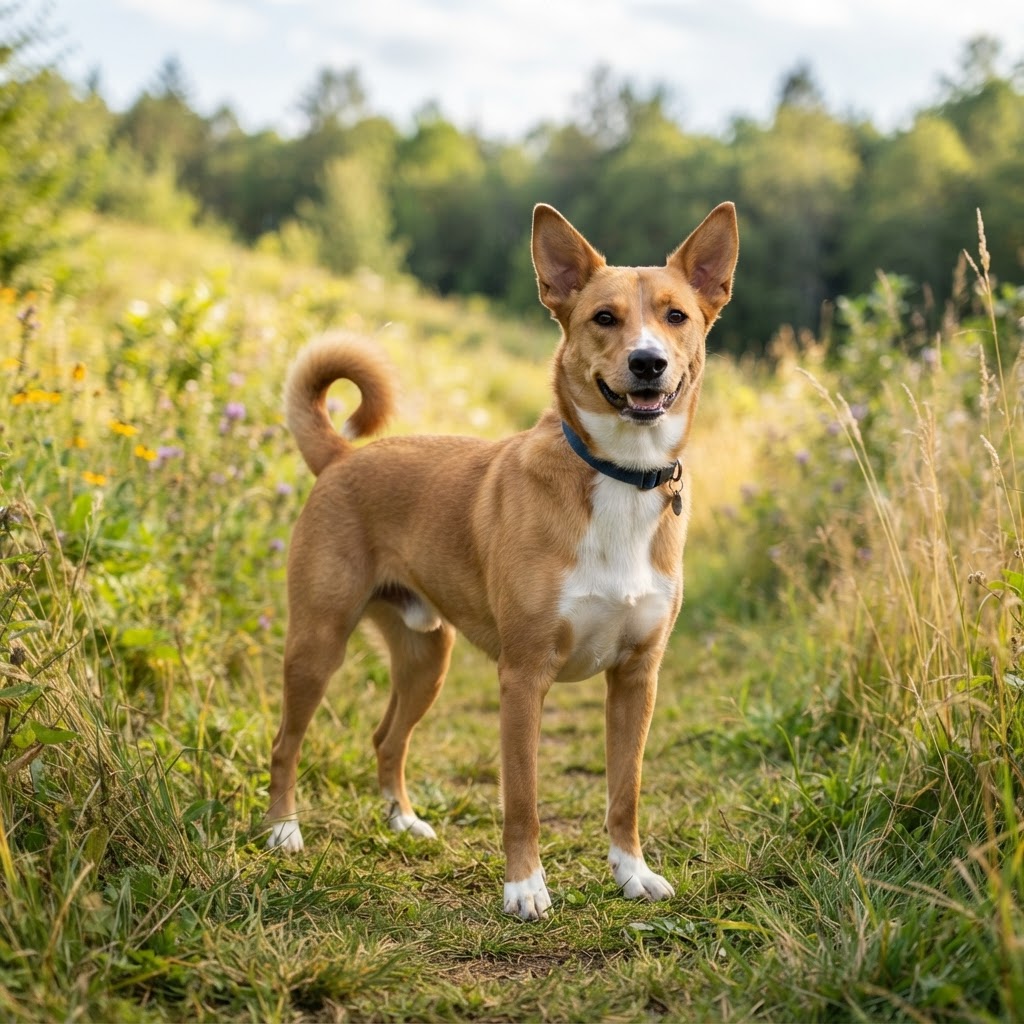
Breed Group
Mixed Breeds
Dogs whose traits may reflect more than one breed background and should be understood as individuals rather than formulas.
About the Group
About Mixed Breeds
Many dogs do not come with a documented breed history. Their background may be mixed, unknown, or shaped by early life experience as much as genetics. For these dogs, the Breed Centre is not about identifying a specific breed — it is about observing the individual dog's tendencies, drives, sensitivities, and needs, and building a training approach around what you see rather than what you guess. Designer-cross labels do not guarantee predictable temperament, coat, or health; littermates may differ; and DNA results provide ancestry estimates, not a complete behavioural forecast.
Browse All Breeds
1 completed breed guide in Mixed Breeds
Select any breed tile to open its full profile. Filters narrow only the breeds already in this group — they never pull in breeds from another group.
History
Original work and history
Mixed-breed and crossbred dogs have existed alongside purebred development for as long as dogs have been shaped by people. Crosses have been created for function, for appearance, and by circumstance. The individual dog's observed behaviour and needs remain the most important guide.
Tendencies
Common tendencies
- Tendencies vary widely — each dog is an individual
- May have unknown early socialization experiences
- Can show a blend of traits from multiple breed influences
- Behaviour may be shaped as much by early experience as by genetics
- Drive, sensitivity, and energy can be unpredictable without observation
Training
Training considerations
- Individual assessment of strengths, sensitivities, and drives
- Confidence building, especially for dogs with unknown backgrounds
- Relationship development — trust is the foundation
- Structured exposure based on the dog's actual responses
- Avoid assumptions — train the dog in front of you, not the breed you guess
Exercise & Enrichment
Exercise and enrichment
- Needs are determined by observing the individual, not a breed template
- Match activity to the dog's actual energy and drive
- Mental engagement benefits nearly every dog
Care & Household
Care and household considerations
- Need individual assessment rather than breed-based assumptions
- May need a decompression period when entering a new home
- Benefit from patient, observation-based training
- Early life experience may influence behaviour significantly
Misconceptions
Common misconceptions
A designer-cross label predicts the dog.
Labels like 'labradoodle' do not guarantee coat, temperament, or health; individuals and littermates vary.
DNA results explain everything.
DNA provides ancestry estimates, not a complete behavioural forecast; observed behaviour matters most.
Considerations
Who should think carefully
- Anyone expecting predictable traits from a cross label
- Homes that prefer breed-template assumptions over individual observation
Breed groups provide useful historical context, not a guarantee of behaviour. Individual temperament is also shaped by genetics, breeding, development, health, learning and environment.
Related Groups
Explore related breed groups
Herding Dogs
Developed to move, control, guard or manage livestock, herding breeds are often highly observant, responsive and driven to work with a handler. Their intelligence can make them impressive partners, but it can also create challenges when their need for movement, structure and meaningful work is underestimated.
Explore GroupToy & Companion Dogs
Bred primarily for close companionship and life alongside people.
Explore GroupSporting Dogs
Developed to locate, flush, point or retrieve game, Sporting breeds were built to work in partnership with people across fields, forests, wetlands and open water. Many are social and highly trainable, but their friendliness can cause owners to underestimate their exercise, scent, retrieving, grooming and adolescent-development needs.
Explore GroupAcademy Connections
Connect this group to the rest of The Academy
Training & Behaviour
How training principles apply across breed tendencies.
Confidence & Resilience
Building environmental confidence, especially for sensitive groups.
Gear & Equipment
Equipment suited to different sizes, coats and drives.
Working Dogs
How working purpose shapes behaviour and care.
Dog Care
Practical care guidance across life stages.
Browse the Library
The full Academy educational library.
Continued Exploration
Where to go next
Go Deeper
Herding Dogs
Continue with a related breed group.
OpenPut It Into Practice
Training Foundations
Practical training that applies across this group.
OpenRelated Subject
Dog Care Guidance
Everyday care for dogs in this group.
OpenBroader Academy Path
Working Purpose
How original purpose shapes modern behaviour.
Open