
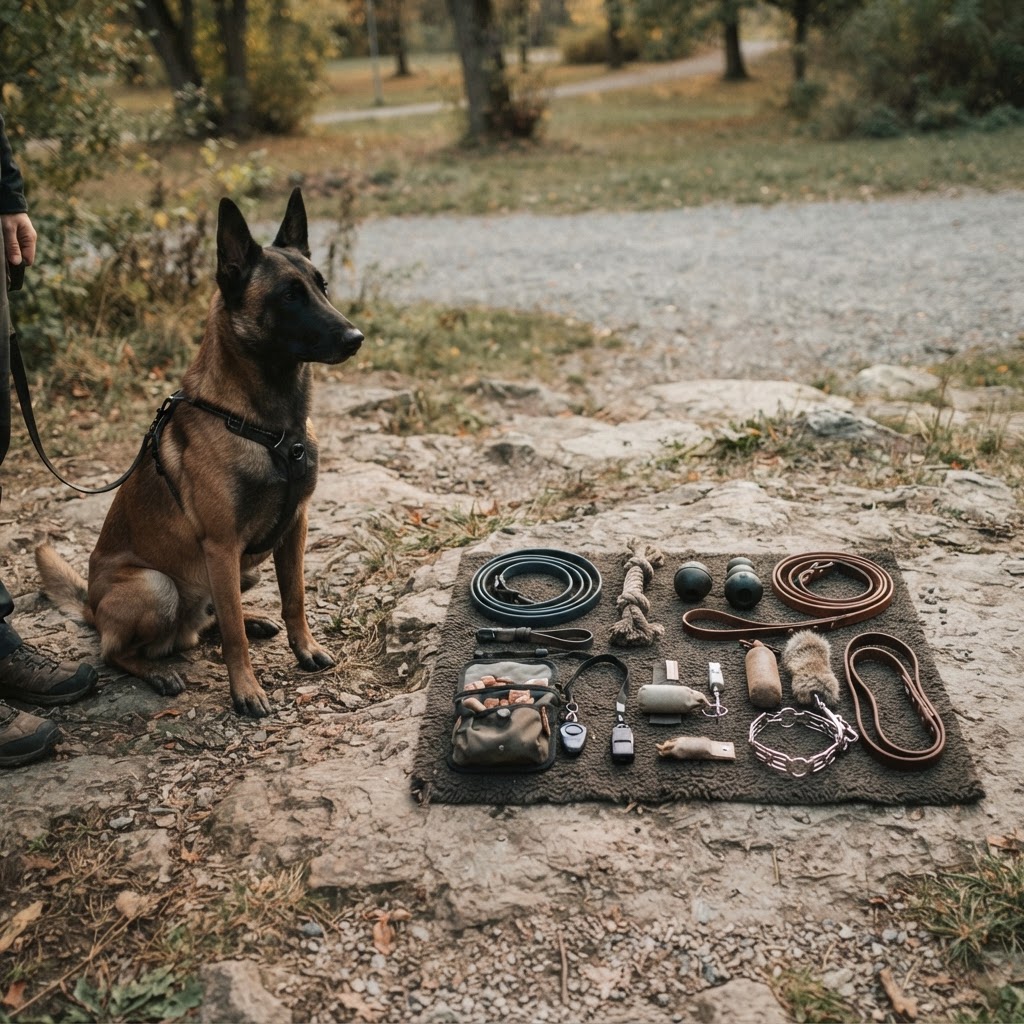
Harnesses
Y-Front Harnesses
Also known as: Y harness, Chest harness
In Review — Pending Editorial ApprovalA harness shape designed to leave the front of the shoulders comparatively open while distributing pressure across the chest.
Want The Academy to remember what you've researched? Learn About Membership
At a Glance
- Equipment type
- Y-front body harness
- Main purpose
- Leash attachment with shoulder clearance
- Construction
- Y-shaped chest strap, girth strap
- Fit importance
- Important — shoulder clearance and girth
- Supervision level
- Standard
- Escape resistance
- Moderate — varies by design and fit
- Main safety concern
- Chafing, restricted movement if ill-fitted
- Common alternatives
- Front-clip harness, flat collar
Simple Definition
A Y-front harness is a harness design where the chest strap forms a Y shape, running down the centre of the chest and branching to either side of the neck. This shape is designed to leave the front of the shoulder joint comparatively open, allowing the dog's shoulders to move freely during walking, running, and working.
Common Uses
Y-front harnesses are used for everyday walks, long-line work, hiking, tracking, and activities where shoulder freedom matters. They are popular for dogs that need a neck-pressure alternative without restricting forward movement.
How It Works
The Y-shaped chest strap sits along the centre of the chest, branching to either side of the neck. The girth strap wraps around the body behind the front legs. The leash typically attaches to a ring on the back. The Y-front design avoids placing a horizontal strap across the front of the shoulders, which can restrict reach and stride.
Why Someone May Use It
A Y-front harness may be used for everyday walks, long-line work, hiking, tracking, and for dogs needing a neck-pressure alternative. The design aims to preserve shoulder movement, which can be important for active dogs, working dogs, and dogs that cover ground at speed.
Why Someone May Avoid It
A poorly fitted Y-front harness can chafe the armpits, restrict movement, or allow escape. Not all Y-front designs fit alike — the angle of the Y, the width of the straps, and the placement of the girth strap all affect fit. Overly loose adjustment can allow the dog to step out. Assuming all Y-front harnesses fit the same way is a common mistake.
Benefits
The Y-front design aims to leave the shoulder joint comparatively open, supporting natural movement. It distributes pressure across the chest rather than the neck. It is versatile — suitable for walks, long-line work, hiking, and tracking. When fitted well, it is comfortable for active dogs.
Limitations
Fit varies significantly between brands and body shapes. A Y-front harness that fits one dog well may not fit another. The design does not inherently reduce pulling — some dogs pull comfortably in a Y-front harness. Escape is possible if the harness is fitted too loosely or if the dog can reverse out of it.
Fit and Sizing
The Y-shaped strap should clear the shoulder joint — the point where the straps branch should sit at or above the chest, not across the front of the shoulders. The girth strap should sit snugly behind the front legs without rubbing the armpits. Check the chest length to ensure the harness is not too long or too short for the dog's torso. Confirm the dog cannot reverse out by lifting the front legs and checking the girth strap. Recheck fit after growth or coat changes.
Safe Use
Check all straps, buckles, and rings for wear. Ensure the harness fits snugly enough to prevent escape but loosely enough to avoid chafing or restricting breathing. Monitor for armpit rubbing, especially during the first several uses. Remove during unsupervised periods if the dog chews straps. Do not use for vehicle restraint unless specifically designed and tested for that purpose.
Common Mistakes
- Choosing a Y-front harness without checking shoulder clearance
- Assuming all Y-front designs fit the same way
- Fitting the girth strap too loosely, allowing escape
- Ignoring armpit rubbing during initial use
- Not rechecking fit after growth or coat changes
- Using a Y-front harness as a substitute for loose-leash training
- Using a walking Y-front for vehicle restraint without crash testing
Common Misconceptions
- Myth: All Y-front harnesses fit the same way. Reality: Strap angle, width, and girth placement vary by brand.
- Myth: A Y-front harness reduces pulling. Reality: It preserves shoulder movement — it does not teach loose-leash walking.
- Myth: Y-front harnesses are escape-proof. Reality: A poorly fitted Y-front can be escaped.
- Myth: Y-front is always better than other designs. Reality: No single design is best for every dog.
Who It May Suit
Y-front harnesses may suit active dogs, working dogs, dogs that hike or track, and dogs that need a neck-pressure alternative while preserving shoulder movement. They are a versatile choice for everyday walks and distance work.
Who It May Not Suit
Y-front harnesses may not suit dogs with body shapes that are difficult to fit, dogs that escape poorly fitted harnesses, or handlers who assume the harness will reduce pulling without training. Some dogs with very narrow or very broad chests may not fit standard Y-front designs well.
Alternatives
Care and Maintenance
Inspect straps, buckles, and rings for wear. Check stitching at stress points. Clean according to material. Allow to dry fully before use. Replace if straps show fraying, buckles become unreliable, or the harness no longer holds a secure fit.
Frequently Asked Questions
Sources and Review Notes
This guide was last reviewed in July 2026 by The Academy editorial team. Sources are pending verification. Always consult a qualified professional for guidance specific to your dog.
Academy Connections
Understanding this gear can also help you understand...
Every gear guide connects to other departments across The Academy.