
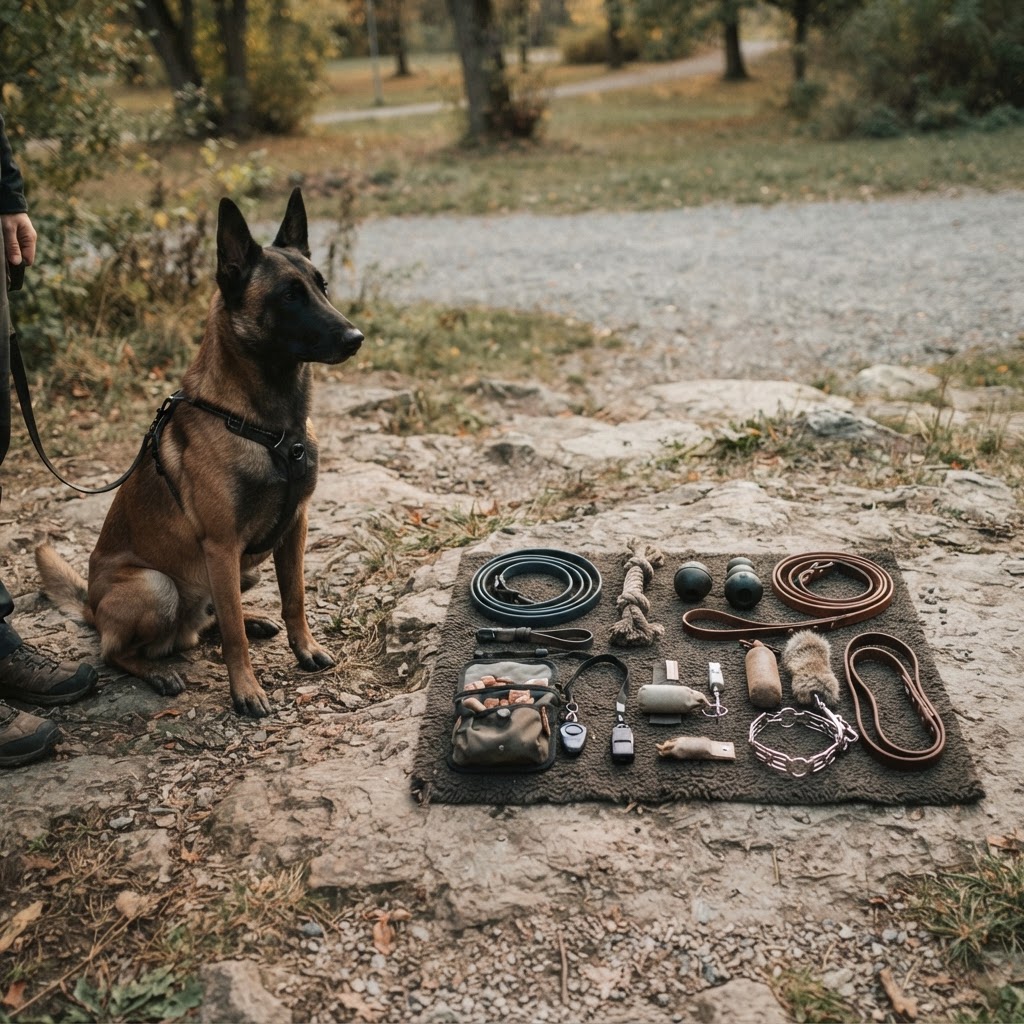
Training Equipment
Training Vests
Also known as: dog training vest, trainer vest, utility vest, reward vest, field training vest, dog-handler vest
A training vest is a multi-pocket garment that keeps food, toys, clickers, and accessories organized and accessible. It can improve timing and organization, but carrying more equipment is not automatically better and pocket layout should support safe handling.
Want The Academy to remember what you've researched? Learn About Membership
At a Glance
- Item type
- Multi-pocket training garment
- Carries
- Food, toys, clickers, bags, phone, keys, small accessories
- Key traits
- Pocket placement, weight distribution, breathability, weather resistance
- Used in
- Professional, sport, field, and everyday training
- Watch for
- Bulk, loose-equipment noise, snagging, restricted range of motion
- Fit
- Must allow movement and layer over seasonal clothing
- Not a substitute for
- Handling skill and clear timing
- Risk if misused
- Low
What It Is
A training vest is a garment with multiple pockets designed to carry the equipment a handler uses during training — food rewards, toys, clickers, poop bags, gloves, a phone, keys, and small training accessories. It is distinct from a treat pouch, which is a single dedicated reward container; from a utility vest, which is general-purpose workwear without training-specific pocket layout; from a high-visibility vest, whose primary job is visibility rather than organization; from a dog-walking jacket, which is casual outerwear; and from protection-sport equipment, which is specialized bite-work gear. A training vest organizes the handler's kit.
Primary Purpose
The purpose is to keep rewards and accessories organized and quickly reachable so the handler can deliver reinforcement and manage equipment without fumbling. Better organization can improve timing. The vest does not improve handling skill by itself — carrying more equipment is not automatically better, and pocket layout should support safe, uncluttered handling rather than bulk for its own sake.
Common Uses
Handlers use training vests to carry food rewards, toys, clickers, poop bags, gloves, a phone, keys, and small accessories across professional sessions, group classes, sport, fieldwork, and everyday walks. Pocket placement and access speed matter: the most-used items go where the handler can reach without looking, while less-used items live in deeper pockets. Weight distribution across the vest keeps it from sagging or shifting during movement.
When It May Be Useful
- Group classes and multi-reward sessions needing fast access
- Fieldwork, tracking, and detection where many items are carried
- Professional handling with varied equipment
- Cold or wet weather where layering and weather protection help
- Low-light conditions where high-visibility options add safety
Advantages
- Keeps rewards and accessories organized and quickly reachable
- Distributes weight across the torso better than overloaded pockets
- Supports fast reinforcement timing
- Available in weather-resistant and high-visibility designs
Limitations
A loaded vest adds bulk and can restrict range of motion if overpacked or poorly fitted. Loose equipment can rattle and create noise that distracts a dog or signals rewards are coming. Snagging risk rises with dangling straps or open pockets. Breathability matters in warm weather, and fit must accommodate seasonal clothing underneath. A vest that holds everything can encourage carrying more than the session needs.
Fit, Setup or Placement
Choose a vest that fits over your typical seasonal clothing without binding at the shoulders or chest. Place the most-used rewards where your hand lands naturally, and keep leash-handling side clear of bulky pockets. Distribute weight evenly so the vest does not rotate or sag. Check that closures are secure and that nothing swings while you move.
Safe and Effective Use
Keep pocket organization supporting safe handling — do not let bulk or loose accessories interfere with leash control or your range of motion. Secure closures so items do not fall or snag. Carry only what the session needs. Ensure the vest does not rattle in a way that becomes an accidental cue. The Academy is method-flexible. This equipment may be used within reward-based, balanced, mixed, or trainer-directed systems. No single item is required for all teams, and members may use the tools and methods they are comfortable and competent with.
Signs the Item Is Not Working Well
- The vest restricts shoulder or arm movement during leash handling
- Loose equipment rattles and distracts or cues the dog
- Pockets sag, rotate, or pull the vest off-balance
- Access is too slow to support clean reward timing
- Snagging on doors, fences, or brush occurs
Situations Where Another Option May Be Better
- Simple walks, where a treat pouch alone is enough
- Hot weather where a vest is too warm and a belt is lighter
- Running or fast-moving work, where a belt is less bulky
- When only one or two items need carrying
Cleaning, Storage and Maintenance
Clean food residue from pockets regularly to prevent odour and contamination of rewards. Wash per the manufacturer's guidance, and check closures, zippers, and straps for wear. Store empty so pockets keep their shape, and re-treat weather-resistant coatings as needed.
Common Mistakes
- Overpacking until movement and timing suffer
- Leaving pockets open so items rattle or fall
- Placing bulky items on the leash-handling side
- Ignoring breathability in warm conditions
- Letting food residue build up and taint rewards
Questions to Ask Before Buying or Using
- Do the pocket count and layout match what I actually carry?
- Will it fit over my seasonal clothing and allow full movement?
- Is it breathable enough for my warmest training conditions?
- Are closures secure and quiet?
- Do I need weather resistance or high-visibility options?
Practical Academy Takeaway
A training vest organizes the handler's kit so rewards and accessories are fast to reach and weight is distributed well. Its value is organization that supports timing and safe handling — not the sheer amount it can carry. Fit it to your body and your sessions, keep it uncluttered, and let it serve handling rather than compete with it.
Educational Limitation
This guide is educational and method-flexible. Vest choice is personal and depends on the handler's work. For sport- or profession-specific setups, a qualified trainer can help tailor the loadout.
Academy Connections
Understanding this gear can also help you understand...
Every gear guide connects to other departments across The Academy.