
Exposure
Exposure Is Not Forced Interaction
Exposure does not mean greeting everything or enduring every situation. Learn what thoughtful exposure really means and how to keep it controlled.
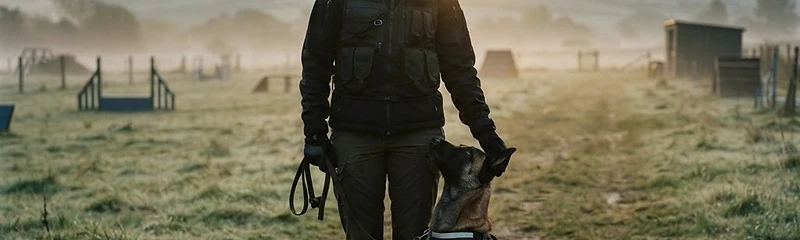
What Exposure Means
Exposure is supervised, gradual experience with the people, animals, surfaces, sounds and places a dog will meet in everyday life. The aim is to help the dog become familiar and comfortable enough to stay calm and responsive — not excited, shut down or overwhelmed.
What Exposure Does Not Mean
Exposure is often confused with socialisation that requires greeting every dog or person. It is not. Thoughtful exposure does not require contact, greeting or engagement. A dog can have a productive exposure session while simply observing from a distance.
Why Neutral Observation Matters
The goal of exposure is neutrality — a dog who notices the world without reacting to it. A dog who learns to watch bikes, other dogs and crowds calmly can think and respond. A dog who is constantly excited or worried cannot. Neutrality is a skill, and it is built through calm, repeated observation.
Distance Is a Training Tool
How far you are from something changes how hard it is. Far away, a passing dog is easy to ignore. Up close, it may be too much. Adjusting distance lets you keep the work manageable. If your dog cannot respond, you are likely too close — move back.
Signs the Situation Is Too Difficult
- The dog cannot respond to familiar cues they normally do.
- They are unable to take food they usually accept.
- They stare, fixate or cannot disengage from the trigger.
- They move toward or away from the trigger repeatedly.
How to Reduce Pressure
When a situation is too much, reduce difficulty rather than pushing through. Increase distance, shorten the session, or move to a quieter moment. Recovery and calm matter more than endurance.
Practical Exposure Examples
- Sit on a bench at a quiet park and let your dog watch the world from a distance.
- Stand across the street from a busier area and reward calm observation.
- Walk past a familiar distraction at a comfortable distance, then gradually closer over many sessions.
Thoughtful exposure is about calm familiarity, not forced interaction.
Practical Takeaways
What to Remember
- ✓Exposure is calm, gradual familiarity — not forced interaction.
- ✓The goal is neutrality, not excitement or greeting.
- ✓Distance is your main tool for keeping work manageable.
- ✓If the dog cannot respond, reduce pressure rather than push.
Related Academy Guides
Foundations
What Comes After Basic Obedience?
7 min read
Behaviour Concepts
Why Dogs Listen at Home but Struggle Outside
6 min read
Exposure
Introducing Dogs to Unusual Surfaces
6 min read
Confidence
Building Confidence in New Environments
6 min read
Urban
Urban Dog Training Foundations
7 min read
Related Encyclopedia Terms
Breeds Where This Often Applies
Ready to Put It Into Practice?
The Academy app helps members turn learning into practical sessions, structured exercises and continued real-world training.