
Exposure
Introducing Dogs to Unusual Surfaces
Help your dog explore unfamiliar surfaces through distance, choice, gradual progression and low-pressure exposure.
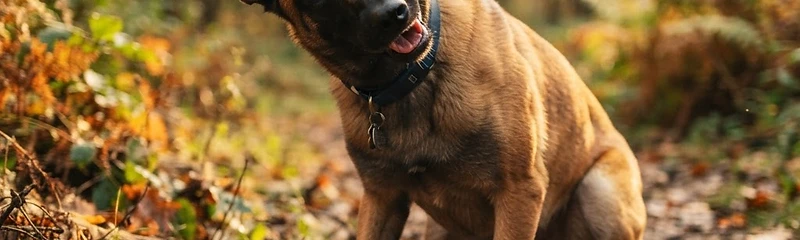
Why Surfaces Matter
Dogs experience the world through their feet. Grass, pavement, tile, metal grates, wet ground and uneven terrain all feel different. A dog who is comfortable on many surfaces can move through more environments with confidence. A dog who has only ever walked on one or two may hesitate or refuse when the ground changes.
Start with Observation
Before asking the dog to step onto something new, let them look at it. Stand near the surface and allow the dog to notice it without pressure. Observation is the first stage of exposure — the dog is learning that the surface exists and is not a threat.
Allow Choice and Distance
Let the dog choose how close to get. Some dogs will investigate immediately; others need time. Choice reduces pressure and builds trust. If the dog backs away, that is information — the surface is too much right now. Honour it and try again later.
Reinforce Curiosity
Reward any small step toward the surface — a sniff, a paw placed on the edge, a glance back at you. These are the building blocks of confidence. What you reward is the willingness to try, not the final result.
Avoid Forcing Movement
Dragging, pulling or carrying a dog onto a surface they are unsure of teaches avoidance, not confidence. If the dog will not approach, the surface is too difficult at this stage. Lower the difficulty by pairing it with a familiar surface nearby, or by making the new surface smaller and more stable.
Progress One Variable at a Time
Change only one thing at a time. Try a similar surface first, then a slightly different one. Keep the environment quiet. Do not add movement, distance or distraction while the dog is still deciding about the ground itself.
Surface Ideas for Real Life
- Grass, gravel, dirt and sand — natural footing variations.
- Smooth tile, wood flooring and linoleum — common indoor surfaces.
- Metal grates, manhole covers and raised platforms — urban footing.
- Wet grass or damp pavement — different sensory input.
- Uneven ground like roots, rocks or steps — balance and confidence.
Curiosity is built through choice, not pressure.
Practical Takeaways
What to Remember
- ✓Comfort on many surfaces supports confidence in many environments.
- ✓Let the dog observe and choose before stepping on something new.
- ✓Reward curiosity and willingness — never force movement.
- ✓Change one variable at a time when introducing harder surfaces.
Ready to Put It Into Practice?
The Academy app helps members turn learning into practical sessions, structured exercises and continued real-world training.